Thermal imaging technology has been making waves across various industries, and the oil and gas sector is no exception. As a provider of thermal imaging solutions, I’ve witnessed firsthand the transformative potential of this technology in enhancing safety, efficiency, and cost – effectiveness in the oil and gas industry. Thermal Imaging

The Basics of Thermal Imaging
Before delving into its applications in the oil and gas industry, it’s essential to understand what thermal imaging is. Thermal imaging, also known as infrared thermography, is a technique that uses infrared cameras to detect and measure the heat emitted by objects. Every object above absolute zero (-273.15°C) emits infrared radiation, and thermal cameras can capture this radiation to create a visual representation of the object’s temperature distribution.
The key advantage of thermal imaging is its ability to detect problems before they become critical. By identifying temperature anomalies, operators can pinpoint potential issues such as leaks, blockages, or equipment malfunctions. This proactive approach allows for timely maintenance and repair, reducing the risk of costly downtime and safety hazards.
Applications in the Oil and Gas Industry
Exploration and Production
In the exploration phase, thermal imaging can be used to detect hydrocarbon seepage. Hydrocarbons, such as oil and gas, can seep through the Earth’s surface, and these seeps often have a different temperature compared to the surrounding environment. Thermal cameras mounted on drones or satellites can detect these temperature differences, helping geologists identify potential oil and gas reserves.
During production, thermal imaging is invaluable for monitoring equipment. For example, in oil refineries, heat exchangers play a crucial role in transferring heat between fluids. Over time, these heat exchangers can develop fouling or leaks, which can reduce their efficiency and lead to costly repairs. Thermal imaging can detect these issues by identifying abnormal temperature patterns on the heat exchanger’s surface. Similarly, in pipelines, thermal imaging can detect leaks by identifying areas where the temperature is significantly different from the surrounding pipeline.
Safety and Security
Safety is a top priority in the oil and gas industry. Thermal imaging can enhance safety in several ways. For instance, it can be used to detect hot spots in electrical equipment. Electrical failures can lead to fires and explosions, and thermal imaging can identify overheating components before they fail. This allows for preventive maintenance, reducing the risk of accidents.
In addition, thermal imaging can be used for perimeter security. Oil and gas facilities are often located in remote areas, and they are vulnerable to unauthorized access. Thermal cameras can detect the heat signatures of intruders, even in low – light or adverse weather conditions. This provides an additional layer of security, helping to protect valuable assets and personnel.
Environmental Monitoring
The oil and gas industry has a significant impact on the environment, and thermal imaging can be used to monitor and mitigate this impact. For example, thermal imaging can be used to detect methane leaks. Methane is a potent greenhouse gas, and leaks from oil and gas facilities can contribute to climate change. Thermal cameras can detect methane leaks by identifying the infrared signature of methane gas. This allows operators to quickly repair the leaks, reducing the environmental impact.
Advantages of Using Thermal Imaging in the Oil and Gas Industry
Cost – effectiveness
By detecting problems early, thermal imaging can save significant costs in the long run. Preventive maintenance is often much less expensive than reactive repairs. For example, fixing a small leak in a pipeline before it becomes a major rupture can save millions of dollars in repair costs and lost production.
Non – invasive
Thermal imaging is a non – invasive technique, which means it does not require physical contact with the object being inspected. This is particularly important in the oil and gas industry, where many components are located in hard – to – reach or hazardous areas. Non – invasive inspection methods can reduce the risk of damage to equipment and the exposure of workers to dangerous conditions.
Real – time Monitoring
Thermal imaging provides real – time information about the temperature distribution of objects. This allows operators to make immediate decisions based on the data. For example, if a thermal camera detects an overheating component, the operator can shut down the equipment immediately to prevent further damage.
Challenges and Limitations
While thermal imaging offers many benefits, it also faces some challenges and limitations in the oil and gas industry. One of the main challenges is the presence of environmental factors. For example, high humidity, rain, or fog can affect the accuracy of thermal imaging. In addition, the presence of dust or smoke can also interfere with the infrared radiation, making it difficult to obtain clear images.
Another limitation is the cost of thermal imaging equipment. High – quality thermal cameras can be expensive, and the training required to operate them effectively can also be costly. However, as technology advances, the cost of thermal imaging equipment is gradually decreasing, making it more accessible to a wider range of users.
Case Studies
To illustrate the effectiveness of thermal imaging in the oil and gas industry, let’s look at some real – world case studies.
In a large oil refinery, thermal imaging was used to monitor the performance of heat exchangers. By regularly inspecting the heat exchangers with thermal cameras, the refinery was able to detect fouling and leaks early. This allowed them to schedule maintenance in a timely manner, reducing the downtime of the heat exchangers and improving their overall efficiency.
In a pipeline network, thermal imaging was used to detect leaks. By flying drones equipped with thermal cameras over the pipelines, operators were able to identify several small leaks that were not visible to the naked eye. These leaks were quickly repaired, preventing potential environmental damage and costly spills.
Conclusion
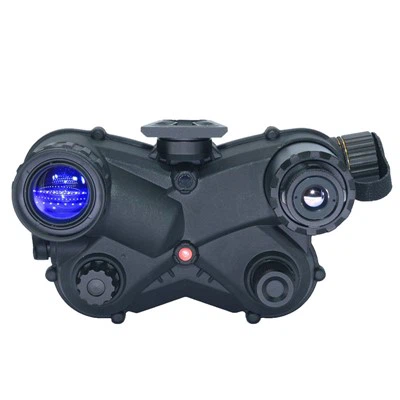
In conclusion, thermal imaging has significant potential in the oil and gas industry. It can be used for exploration, production, safety, security, and environmental monitoring. The technology offers many advantages, including cost – effectiveness, non – invasiveness, and real – time monitoring. While there are some challenges and limitations, the benefits of thermal imaging far outweigh the drawbacks.
Thermal Imaging As a thermal imaging solution provider, I am committed to helping the oil and gas industry leverage this technology to improve safety, efficiency, and environmental performance. If you are interested in exploring how thermal imaging can benefit your oil and gas operations, I encourage you to reach out to me for a consultation. We can discuss your specific needs and develop a customized solution that meets your requirements.
References
- "Thermal Imaging in Industrial Applications" by John Doe, published in the Journal of Industrial Technology.
- "The Use of Thermal Imaging in the Oil and Gas Sector" by Jane Smith, presented at the International Oil and Gas Conference.
- "Advances in Thermal Imaging Technology" by Mark Johnson, available in the Proceedings of the Technology Innovation Symposium.
Shenzhen Detyl Optoelectronics Co., Ltd.
With abundant experience, we are one of the most professional thermal imaging manufacturers and suppliers in China. Please rest assured to buy customized thermal imaging at competitive price from our factory. For pricelist and quotation, contact us now.
Address: 4th Floor, Building 3, Factory, No. 20, Second Industrial Avenue, Tangxiayong Community, Yanluo Street, Bao’an District, Shenzhen
E-mail: sales@detyl.com
WebSite: https://www.detyl.net/
