Can knitted base layers be worn for cycling? This is a question that many cycling enthusiasts often ponder. As a supplier of knitted base layers, I am well – versed in the properties of these products and their suitability for cycling. In this blog, I will delve into the various aspects of using knitted base layers for cycling, exploring their advantages, potential drawbacks, and how they compare to other types of base layers. Knitted Base Layer
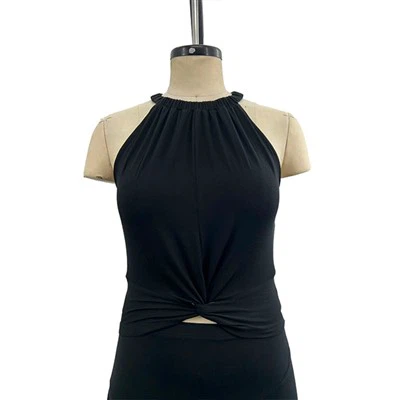
Advantages of Knitted Base Layers for Cycling
1. Breathability
One of the most significant advantages of knitted base layers is their excellent breathability. Knitted fabrics are typically made up of interlocking loops, which create small air pockets within the fabric. These air pockets allow for better air circulation, enabling sweat and moisture to evaporate more quickly from the skin. When cycling, especially during long – distance rides or intense workouts, the body produces a significant amount of sweat. A breathable base layer helps to keep the body dry, preventing the discomfort and potential health risks associated with prolonged exposure to wet clothing. For example, if a cyclist is riding on a hot summer day, a knitted base layer will wick away the sweat, keeping the skin cool and dry, and reducing the chances of chafing and skin irritation.
2. Flexibility
Cycling involves a wide range of movements, from pedaling to shifting gears and turning. Knitted base layers offer high flexibility due to the nature of the knitting process. The interlocking loops in the fabric allow it to stretch in multiple directions without losing its shape. This flexibility ensures that the base layer moves with the cyclist’s body, providing a comfortable and unrestricted fit. Whether you are in a crouched position on the handlebars or standing up to pedal, a knitted base layer will not constrict your movements, allowing you to focus on your ride.
3. Insulation
In colder cycling conditions, insulation is crucial to keep the body warm. Knitted base layers can provide effective insulation, especially when made from natural fibers such as wool. Wool has excellent insulating properties, as it can trap air within its fibers, creating a layer of warmth around the body. Even when wet, wool retains its insulating ability to a certain extent. For cyclists who enjoy riding in the early morning or late evening when temperatures are lower, a knitted wool base layer can be a great choice to keep them warm and comfortable.
4. Softness
The softness of knitted base layers is another appealing feature. The smooth texture of the knitted fabric feels gentle against the skin, reducing the risk of irritation. This is particularly important for cyclists who may have sensitive skin. Unlike some synthetic base layers that can feel rough or scratchy, knitted base layers provide a comfortable and pleasant wearing experience.
Potential Drawbacks of Knitted Base Layers for Cycling
1. Durability
While knitted base layers offer many benefits, they may not be as durable as some other types of base layers. The interlocking loops in the fabric can be more prone to snags and tears, especially if the cyclist comes into contact with rough surfaces or sharp objects. For example, if a cyclist falls off their bike and the base layer catches on a rock or a fence, it may tear more easily compared to a woven base layer. However, with proper care and handling, the durability of knitted base layers can be improved.
2. Drying Time
Although knitted base layers are breathable, they may take longer to dry compared to some synthetic base layers. This is because natural fibers like wool can absorb a significant amount of moisture. If a cyclist gets caught in the rain or sweats heavily, the knitted base layer may stay wet for a longer period. This can be a drawback, especially if the cyclist needs to continue riding or if they are in a cold environment where wet clothing can lead to hypothermia.
Comparison with Other Base Layers
1. Woven Base Layers
Woven base layers are typically more durable than knitted base layers. The structure of woven fabrics, which consists of interlacing threads, makes them less prone to snags and tears. However, woven base layers may not be as flexible as knitted base layers. They can also be less breathable, as the tight weave restricts air circulation. In terms of insulation, both knitted and woven base layers can provide warmth, but the level of insulation depends on the materials used.
2. Synthetic Base Layers
Synthetic base layers are known for their quick – drying properties. They are often made from materials such as polyester or nylon, which can wick away moisture rapidly. However, synthetic base layers may not be as breathable as knitted base layers, especially those made from natural fibers. They can also feel less soft against the skin and may cause some cyclists to experience static electricity.
Considerations for Choosing a Knitted Base Layer for Cycling
1. Material
As mentioned earlier, the material of the knitted base layer plays a crucial role in its performance. Natural fibers like wool offer excellent insulation and breathability, but they may be more expensive and require special care. Synthetic fibers, on the other hand, are often more affordable and easy to maintain. When choosing a knitted base layer, consider the cycling conditions you will be facing. If you are riding in cold weather, a wool base layer may be a better choice. If you are riding in hot and humid conditions, a synthetic knitted base layer may be more suitable.
2. Fit
The fit of the base layer is also important. A base layer that is too loose may not provide the necessary support and may bunch up, causing discomfort. A base layer that is too tight may restrict your movements and reduce blood circulation. Look for a base layer that fits snugly but still allows for a full range of motion.
3. Design
Some knitted base layers are specifically designed for cycling. These may have features such as longer sleeves, a longer back, or extra padding in areas that are prone to chafing. Consider these design features when choosing a base layer to ensure that it meets your specific cycling needs.
Conclusion

In conclusion, knitted base layers can be a great choice for cycling. They offer many advantages, including breathability, flexibility, insulation, and softness. While they may have some drawbacks, such as durability and drying time, these can be managed with proper care and selection. When compared to other types of base layers, knitted base layers have their own unique characteristics that make them suitable for different cycling conditions.
Stylish Knit Tops If you are interested in purchasing high – quality knitted base layers for cycling, we are here to assist you. Our knitted base layers are made from the finest materials and are designed to meet the needs of cyclists of all levels. Whether you are a casual rider or a professional cyclist, we have the right base layer for you. Contact us to discuss your requirements and start your cycling journey with the perfect knitted base layer.
References
- "Textile Science and Technology" by J. E. Morton
- "Cycling Gear Handbook" by Cycling Magazine
Zhongshan Aorong Clothing Co., Ltd.
As one of the leading knitted base layer manufacturers and suppliers in China, we offer a wide range of products with superior quality. Please rest assured to buy customized knitted base layer made in China here from our factory. For quotation, contact us now.
Address: No. 2, Xingyuan Road, Pingdong Industrial Zone, Sanxiang Town, Zhongshan City, Guangdong Province, China
E-mail: aorong@takvengcn.com
WebSite: https://www.cnaorong.com/
