Hey everyone, if you’ve ever wandered around a construction site, a factory floor, or even a small auto repair shop, you’ve probably seen big machines moving heavy loads, lifting cars, or pressing metal into shape. Chances are, those machines are relying on pumps to get the job done—but not just any pump: specifically, hydraulic pumps and pneumatic pumps. As someone who’s been working as a hydraulic pump supplier for the past 12 years, I’ve lost count of how many times customers have asked me, “Wait, what’s the actual difference between these two? They both move fluids, right?” Yeah, sure, but that’s like saying a bike and a motorcycle are the same because they both have wheels—they look similar at first glance, but once you dig into how they work, what they’re good at, and when you’d pick one over the other, they’re totally different beasts. Hydraulic Pump

Let’s start with the basics, but keep it simple—no fancy engineering jargon that makes your eyes glaze over. Let’s break down what each pump moves first, because that’s the root of almost every difference. A pneumatic pump runs on gas, right? Specifically, compressed air—think the air that comes out of the spray gun on a mechanic’s bench, or the air that fills a tire at a gas station. It compresses that air, stores it, and uses that pressure to push whatever fluid (or gas) it’s moving. Then there’s hydraulic pumps—those run on liquid, almost always oil (we use different types for different jobs, like biodegradable oil for outdoor projects to keep things eco-friendly). The key here is that liquids are way less compressible than gases. Like, way way less. If you squeeze a gas, it squashes down easily—squeeze a liquid, it barely changes volume at all. That single fact is where 90% of their differences come from, so remember that: compressible gas vs. non-compressible liquid.
Now let’s talk power, because that’s the part that makes hydraulic pumps my go-to for most heavy-duty work. Since liquids don’t compress, all the pressure you put into a hydraulic pump goes straight into doing work—no energy is wasted squishing the fluid. A good hydraulic pump can move mountains, almost literally. I’ve supplied pumps that lift 20-ton construction excavators right off the ground to replace tracks, and those don’t even break a sweat. What about pneumatic pumps? They run on compressed air, so some of that energy is used just to compress the air itself. They’re great for lighter jobs, but if you try to use a pneumatic pump to lift something super heavy, you’re either going to wait forever (because it can only build so much pressure) or burn out the pump trying. I remember a customer tried to use a pneumatic pump to lift a 15-ton press once—ended up with a busted pump and a very frustrated team. Save pneumatic for the small stuff, trust me.
Next, precision. If you’re doing work that needs exact control—like bending a 1/4-inch steel plate to a 90-degree angle, or dispensing glue in tiny, consistent dots for furniture manufacturing—hydraulic pumps are king. Because you control the pressure, you control the movement. It’s super consistent. Pneumatic pumps are good for things that just need to move, not move exactly. Like inflating a batch of air mattresses at a factory, or moving small parts along an assembly line. If you try to get a pneumatic pump to stop exactly at a certain point, it’s finicky—there’s always that tiny overshoot because the air is compressing, so it’s hard to get it to hold steady. I once had a customer switch from pneumatic to hydraulic for their custom metal stamping line, and they cut their error rate by 80% within a month. That’s the precision difference right there.
Now let’s talk about the environment where they work. Pneumatic pumps are like the outdoorsy adventurers of the pump world. They don’t need electricity—they run on air, so they’re totally safe in explosive environments, like around gas storage tanks, chemical plants, or paint spray booths where there’s flammable fumes. You don’t have to worry about a spark from an electric motor igniting something. But here’s the catch: they’re not super efficient in really cold weather. If it’s below freezing, the moisture in the compressed air can freeze up the lines, so you have to add dryers or heaters, which adds cost and hassle. Hydraulic pumps, on the other hand, are more sensitive to their surroundings. They need to be in a dry, climate-controlled place—no leaks, because oil is messy and expensive, and if it gets contaminated with dirt or water, it ruins the pump. But they handle cold and hot weather way better than pneumatic pumps, as long as you’re using the right type of oil. I’ve supplied hydraulic pumps for construction in Northern Canada, where winter temps hit -40°F, and they worked like a charm once we switched to a synthetic oil that stays flexible in the cold.
Maintenance is another big one, and it’s where people often get frustrated with one or the other. Pneumatic pumps are pretty low-maintenance—just keep the air lines clean, add a bit of lubrication to the moving parts every so often, and change the air filter when it gets dirty. But they can have line leaks all over the place, and you might not notice them until you’re losing pressure mid-job. Also, the compressed air system itself is big—you need a big compressor, air tanks, and all the lines, so if you have a small shop, it might not be worth the space. Hydraulic pumps? They need a bit more regular care. You have to check the oil level every week, change the oil and filter every few hundred hours, and watch for leaks. But the whole system is more compact—you don’t need a big compressor, just a hydraulic power unit that’s smaller and easier to fit into tight spaces. For example, a hydraulic pump on a backhoe is small enough to fit right in the machine’s frame, whereas a pneumatic system would take up half the cab.
Cost is obviously a factor too, but it’s not as straightforward as “hydraulic is more expensive.” Let’s break it down: initial cost. A pneumatic pump might be cheaper to buy at first, but if you need a big compressor and all the air lines, that adds up fast. A hydraulic pump costs more upfront, but the power unit is smaller, and you don’t have to run long air lines. Then there’s operating cost. Hydraulic pumps are way more energy-efficient—since they don’t waste energy compressing air, you use less electricity. I’ve had customers tell me that switching from pneumatic to hydraulic cut their energy bills by 30% a year. Pneumatic pumps run on electricity too, but they waste a lot of it compressing air that just gets lost to leaks or inefficiency. Over time, hydraulic is cheaper to run, even if it costs more at the start.
Wait, let’s not forget about noise. If you’ve ever stood near a construction site with a bunch of pneumatic tools, you know how loud they are. Compressed air makes a lot of noise, especially when it’s released from the lines. OSHA has strict rules about noise levels, so if you’re working indoors or around people, pneumatic pumps can be a problem. Hydraulic pumps are way quieter—they run more smoothly, less noise from pressure spikes. I once installed a hydraulic pump in a small metal fabrication shop in a residential area, and the neighbor didn’t even know they were there, whereas their old pneumatic system had the neighbor complaining about noise every day.
Let’s put this all together with real examples, because that’s what helps. If you’re a construction worker lifting a 10,000-pound steel beam into place? Hydraulic pump, no question. If you’re a bakery moving 50-pound bags of flour from the floor to a shelf? A small pneumatic pump works fine. If you’re a chemical plant moving volatile gases or liquids? Pneumatic is the way to go for safety. If you’re a auto body shop pressing car panels into shape with exact dimensions? Hydraulic is your pump.
As a hydraulic pump supplier, I don’t want to sound like I’m bashing pneumatic pumps—they have their place, and they’re really good at what they do. But I’ve seen way too many customers pick the wrong pump for their job, which leads to wasted time, money, and broken equipment. Last month, I had a guy come in who’d bought a pneumatic pump to run his woodworking press. It worked for small pieces, but when he tried to press a big tabletop, the pressure was inconsistent, and he ruined three expensive pieces of wood. We swapped it for a medium-duty hydraulic pump, and he hasn’t had a problem since. That’s the whole point—matching the pump to the job.
If you’re not sure which one you need, whether you’re a small business owner, a construction foreman, or a DIYer working on a big project, don’t guess. You don’t have to know all the jargon, just tell me what you’re trying to do: how heavy the load is, how precise you need to be, where you’re using it, and how much space you have. I’ve been doing this for long enough to help you pick the right pump, no sales pitch, just straight talk. We’ve got hydraulic pumps for every job, from tiny ones for a home workshop to industrial-sized ones for factories and construction sites. If you’re tired of pumps that don’t perform, or if you’re tired of wasting money on the wrong equipment, reach out to us to talk through your needs. We’ll help you get exactly what you need without all the hassle.
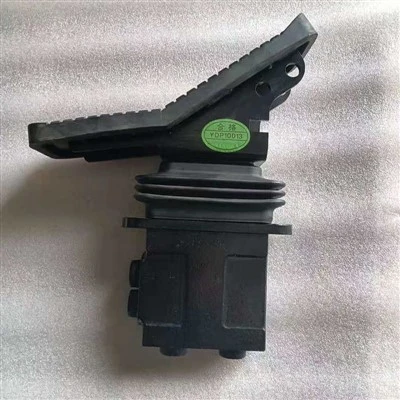
At the end of the day, hydraulic and pneumatic pumps are both useful tools, but they’re designed for different jobs. The key difference boils down to that one big thing: compressible gas vs. non-compressible liquid. That’s what gives hydraulic pumps more power and precision, and pneumatic pumps more safety and flexibility for light to medium jobs. It’s not about which is “better”—it’s about which is right for your project.
Excavator Hydraulic Components References:
- Hydraulic vs. Pneumatic Systems: Key Differences and Applications, Fluid Power Journal, 2022
- Industrial Pump Selection Guide, National Fluid Power Association, 2023
- Energy Efficiency Comparison of Hydraulic and Pneumatic Power Systems, U.S. Department of Energy, 2021
Yantai Dayun Machinery Parts Co., Ltd.
As one of the most professional hydraulic pump suppliers in China, we are committed to providing high quality products with low price. Please feel free to buy discount hydraulic pump in stock here from our factory. Contact us for quotation and free sample.
Address: NO91, Zhenzhong Street, Fushan District, Yantai City
E-mail: dayunhyd5123@163.com
WebSite: https://www.dayunexcavator.com/
