Hey there! I’m a supplier of piston kits, and I’ve been in this game for quite a while. One question I often get asked is, "What are the differences between piston kits for cars and motorcycles?" Well, in this blog post, I’m gonna break it down for you. Piston Kit
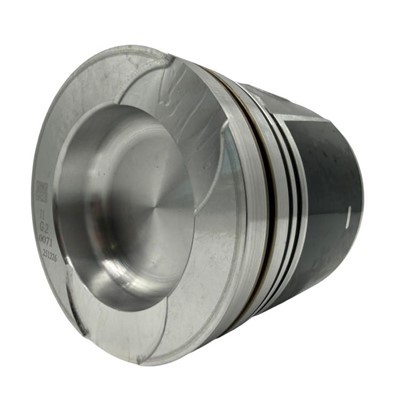
First off, let’s talk about size. It’s pretty obvious that cars are generally bigger than motorcycles, and that means their engines are bigger too. So, piston kits for cars are usually larger in diameter compared to those for motorcycles. A typical car piston might have a diameter ranging from 70mm to over 100mm, while motorcycle pistons can be as small as 30mm and usually go up to around 70mm. This size difference is crucial because it directly affects the engine’s displacement, which is the total volume that the pistons displace as they move up and down in the cylinders. A larger displacement usually means more power, which is why cars, especially big ones like SUVs and trucks, need those larger pistons.
Another major difference is the number of cylinders. Most cars have at least four cylinders, and it’s not uncommon to see six, eight, or even twelve – cylinder engines. On the flip side, motorcycles typically have one, two, or four cylinders. The number of pistons in a piston kit is directly related to the number of cylinders. So, if you’re buying a piston kit for a car, you’ll usually get four or more pistons in the set, whereas a motorcycle piston kit might just have one or two. This also affects the overall complexity of the engine and the way the piston kit is designed. In a multi – cylinder car engine, the pistons need to work in perfect harmony to ensure smooth operation. Each piston must fire at the right time to keep the engine running efficiently.
The materials used in piston kits can also vary between cars and motorcycles. For cars, pistons are often made from aluminum alloys. These alloys are strong and lightweight, which is important for reducing the overall weight of the engine and improving fuel efficiency. However, since car engines are usually under a lot of stress, especially in high – performance vehicles, the pistons may need additional coatings or reinforcements. For example, some car pistons have a hard – anodized coating on the skirt, which is the part of the piston that slides against the cylinder wall. This coating reduces friction and wear, ensuring a longer lifespan for the piston.
Motorcycle pistons also commonly use aluminum alloys, but the specific alloys may be different. Because motorcycles are more lightweight and their engines are often designed for high – speed, high – revving performance, the pistons need to be able to handle rapid acceleration and deceleration. Some motorcycle pistons are made from a special type of aluminum alloy that has a high strength – to – weight ratio. In addition, motorcycle pistons may have a different shape and design to optimize performance at high revs. For instance, they might have a shorter skirt length to reduce mass and inertia, allowing the pistons to move up and down more quickly.
Now, let’s touch on the performance requirements. Cars are generally used for a variety of purposes, from daily commuting to long – distance road trips. As a result, car engines need to be reliable and efficient over a wide range of speeds and loads. A piston kit for a car needs to be designed to provide a good balance of power, torque, and fuel efficiency. For example, in a family sedan, the pistons are optimized to deliver smooth power at low to medium speeds, which is ideal for city driving. On the other hand, high – performance sports cars require pistons that can handle high – power outputs and high engine speeds. These pistons are often designed with a focus on enhancing power and reducing engine knocking.
Motorcycles, on the other hand, are often used for more high – performance and recreational purposes. Sport motorcycles, in particular, are designed to accelerate quickly and reach high speeds. So, the piston kits for these bikes are engineered for maximum power at high revs. The pistons need to be able to withstand the intense heat and pressure generated by the high – speed operation. In addition, since motorcycles are more agile and responsive than cars, the piston design can also affect the bike’s handling. A well – designed piston kit can help improve the motorcycle’s throttle response and overall performance.
Cost is another factor to consider. Generally speaking, piston kits for cars can be more expensive than those for motorcycles. This is mainly due to the larger size and the more complex design of car pistons. In addition, car engines often require more precise manufacturing tolerances, which can drive up the cost. However, the price also depends on the quality and brand of the piston kit. There are budget – friendly options available for both cars and motorcycles, but if you’re looking for high – performance or premium quality, you’ll have to pay more.
When it comes to installation, there are also some differences. Installing a piston kit in a car engine is usually a more involved process. Car engines are more complex, with more components that need to be removed and reinstalled. You’ll typically need to remove the cylinder head, oil pan, and other parts to access the pistons. This requires a higher level of mechanical skills and specialized tools. On the other hand, motorcycle engines are generally more accessible, and installing a piston kit can be a bit easier. However, it still requires a good understanding of the engine’s mechanics and the proper use of tools.
As a piston kit supplier, I’ve seen firsthand the different needs of car and motorcycle owners. Whether you’re looking for a replacement piston kit to fix a worn – out engine or an upgrade to boost performance, it’s important to choose the right one for your vehicle. If you’re not sure which piston kit is suitable for your car or motorcycle, don’t hesitate to reach out to me. I’ve got the expertise and the experience to help you make the right decision.
In conclusion, while piston kits for cars and motorcycles serve the same basic function – to transfer power within the engine – there are significant differences in size, number of cylinders, materials, performance requirements, cost, and installation. Understanding these differences is essential for anyone who wants to ensure the optimal performance and longevity of their vehicle’s engine.
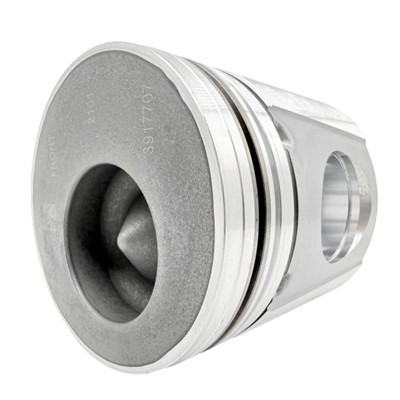
If you’re in the market for a piston kit, whether it’s for your car or your motorcycle, hit me up. I’ve got a wide range of high – quality piston kits that are sure to meet your needs. Let’s have a chat and see how I can help you keep your engine running smoothly.
Piston References
- Automotive Engine Design textbooks
- Motorcycle Performance manuals
- Industry whitepapers on piston manufacturing
Hebei Yuwei Piston Co., Ltd.
As one of the most professional piston kit manufacturers and suppliers in China, we’re featured by quality products and good service. Please rest assured to buy customized piston kit made in China here from our factory. Also, quotation is available.
Address: Beizhujiacun Village, Sujiuzhuang Town, Ningjin County, Xingtai City, Hebei Province
E-mail: jack@ywpiston.com
WebSite: https://www.ywpiston.com/
