Shou Sugi Ban, also known as Yakisugi, is an ancient Japanese technique of charring wood to enhance its durability and resistance to various environmental factors. In recent times, it has gained significant popularity in exterior applications. As a supplier of Exterior Shou Sugi Ban, I’ve been closely observing the market’s growth and the increasing interest from architects, builders, and homeowners. One question that frequently arises is whether exterior Shou Sugi Ban is a sustainable building material. Let’s delve into this topic in detail. Exterior Shou Sugi Ban
The Process of Shou Sugi Ban
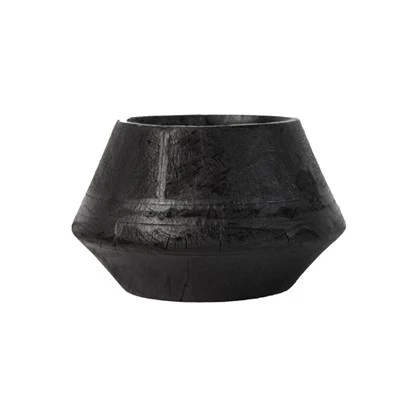
The traditional Shou Sugi Ban process involves using fire to char the surface of wood, typically cedar. The charring creates a layer of carbon on the wood’s surface, which acts as a protective barrier. This process has been used in Japan for centuries, primarily for building structures that could withstand harsh weather, pests, and rot. The charred layer is then brushed to remove loose carbon, and sometimes, a natural oil is applied to enhance the appearance and further protect the wood.
Environmental Benefits of Shou Sugi Ban
Longevity
One of the most significant environmental advantages of using Shou Sugi Ban for exterior applications is its longevity. The charring process significantly extends the lifespan of the wood. Traditional untreated wood may need to be replaced every 10 – 15 years due to rot, insect damage, or weathering. In contrast, properly treated Shou Sugi Ban can last 50 years or more. This means fewer trees need to be harvested over time, reducing the overall demand for timber and the environmental impact of deforestation.
Low Maintenance
Exterior Shou Sugi Ban requires relatively low maintenance compared to other building materials. Once installed, it doesn’t need frequent staining, painting, or chemical treatments. This not only saves time and money but also reduces the use of potentially harmful chemicals in the environment. For example, many traditional wood treatments contain chemicals that can leach into the soil and water, posing a risk to local ecosystems. With Shou Sugi Ban, the natural char layer provides sufficient protection, eliminating the need for these chemicals.
Renewable Resource
Wood is a renewable resource. When sourced from sustainably managed forests, the use of wood in construction can be part of a carbon – neutral or even carbon – negative cycle. Trees absorb carbon dioxide from the atmosphere during their growth, and when used in construction, this carbon is locked away. Since Shou Sugi Ban extends the lifespan of wood, it keeps this stored carbon out of the atmosphere for a longer period.
Potential Environmental Concerns
Energy Consumption in the Charring Process
The charring process in Shou Sugi Ban requires energy. If the energy used is derived from non – renewable sources such as coal or natural gas, it can contribute to greenhouse gas emissions. However, in modern applications, there are more sustainable ways to carry out the charring process. For example, some suppliers are using renewable energy sources like solar or wind power to fuel the charring equipment. Additionally, the long – term environmental benefits of the extended lifespan of Shou Sugi Ban can offset the initial energy consumption of the charring process.
Wood Sourcing
The sustainability of Shou Sugi Ban also depends on the sourcing of the wood. If the wood is harvested from old – growth forests or areas with poor forest management practices, it can have a negative impact on biodiversity and the environment. As a responsible supplier, I ensure that all the wood used for our Exterior Shou Sugi Ban products is sourced from certified sustainable forests. This means that the forests are managed in a way that maintains ecological balance, protects wildlife habitats, and ensures the long – term viability of the forest ecosystem.
Comparison with Other Exterior Building Materials
Concrete
Concrete is a commonly used exterior building material. However, the production of concrete is highly energy – intensive and is responsible for a significant amount of global carbon dioxide emissions. It also has a relatively high embodied energy, which is the total energy required to produce, transport, and install a material. In contrast, Shou Sugi Ban has a lower embodied energy, especially when considering its long lifespan. Additionally, concrete is not a renewable resource, while wood used in Shou Sugi Ban can be sustainably sourced.
Steel
Steel production also has a high environmental impact. It requires large amounts of energy and involves the extraction of iron ore, which can cause significant environmental damage. Steel structures also need regular maintenance to prevent rusting, which often involves the use of chemicals. Shou Sugi Ban, on the other hand, is a more natural and low – maintenance alternative with a lower environmental footprint.
Case Studies
There are numerous examples of successful exterior Shou Sugi Ban applications around the world. For instance, a residential project in California used Shou Sugi Ban for its exterior cladding. The homeowners were initially concerned about the environmental impact but were convinced by the long – term sustainability benefits. After several years, the Shou Sugi Ban cladding still looks great with minimal maintenance, and the homeowners are satisfied with their decision.
Another case is a commercial building in Europe. The architects chose Shou Sugi Ban for its aesthetic appeal and sustainability. The building’s exterior has withstood harsh weather conditions, and the use of Shou Sugi Ban has contributed to the building’s overall green rating.
Conclusion
In conclusion, exterior Shou Sugi Ban can be a highly sustainable building material. Its long lifespan, low maintenance requirements, and the fact that it uses a renewable resource make it an attractive option for environmentally conscious builders and homeowners. However, to ensure its full sustainability, it’s crucial to address potential concerns such as energy consumption in the charring process and responsible wood sourcing.
Puzzle Wall Panel As a supplier of Exterior Shou Sugi Ban, I’m committed to providing high – quality, sustainable products. We source our wood from certified sustainable forests and are constantly exploring ways to reduce the energy consumption of our charring process. If you’re interested in using Exterior Shou Sugi Ban for your next project, I encourage you to reach out to me for more information and to discuss your specific needs. Whether you’re an architect designing a new building, a builder looking for sustainable materials, or a homeowner planning a renovation, we can work together to create a beautiful and environmentally friendly exterior.
References
- "The Art of Shou Sugi Ban: Traditional Japanese Wood Burning" by [Author’s Name], [Publication Name], [Publication Year]
- "Sustainable Building Materials: A Comprehensive Guide" by [Author’s Name], [Publication Name], [Publication Year]
- Research studies on the environmental impact of different exterior building materials from [Research Institution Name]
Dongguan MUMU Woodwork Co., Ltd.
Dongguan MUMU Woodwork Co., Ltd. is one of the most professional exterior shou sugi ban manufacturers and suppliers in China, featured by cheap products and good service. If you’re going to wholesale customized exterior shou sugi ban at low price, welcome to get quotation and free sample from our factory. Contact us for more discount information.
Address: Room No.2602, Universal Commerce Center,Dongguan, China 523073
E-mail: Jerry@mumu-ing.com
WebSite: https://www.mumu-ing.com/
