Hey there, fellow tool users, workshop managers, and industry folks! Let’s cut to the chase: if you’re running a shop or producing parts, you go through a lot of milling burs. And when those tiny, sharp cutting tools get dull, worn, or just plain useless, what do you do with ’em? Tossing ’em in the trash seems easy, but that’s a total waste—both of materials and money. As a milling burs supplier that’s worked with shops of all sizes for years, I’ve seen way too many folks treat used burs like just another piece of scrap metal. Today, I’m breaking down exactly how to recycle ’em right, no fancy jargon, just stuff that works for real workshops. Milling Burs
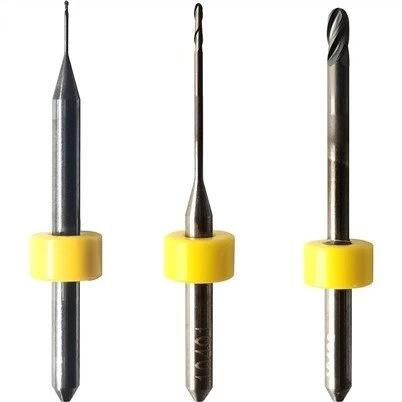
First off, let’s get one thing straight: milling burs aren’t just “metal.” Most of the ones we sell are made from high-speed steel (HSS) or carbide, and those two are totally different when it comes to recycling. If you mix ’em up, you’re screwing up the whole process. HSS is tough, holds a edge well, and is recyclable at most metal scrap yards, but carbide is a whole other beast. Carbide’s way harder, more expensive to make, and has way higher value when recycled properly—like, way more than just scrap steel. So step one: sort your used burs right away. Don’t just dump ’em in a bin with old nails and broken wrenches. Set up a small bin, mark it “Used Milling Burs,” and make sure only those go in there. If you have both HSS and carbide, split ’em into two piles too. Trust me, a few extra minutes sorting saves a ton of headaches later.
Now, why even bother recycling? Let’s talk numbers quick—no boring stats, just real stuff. Recycling one pound of carbide saves like 15 pounds of raw tungsten (that’s the key metal in carbide, super energy-heavy to mine). And HSS? Recycling it uses 75% less energy than making it from scratch. For shops that go through hundreds of burs a month, that adds up to lower energy bills, less raw material costs, and even avoiding the hassle of paying for extra waste disposal. Plus, let’s be real—your clients and customers care about green practices these days. If you can tell ’em you recycle your tools, that’s a big plus for your brand. I’ve had small shops tell me that cutting their waste hauling costs by 30% just from ditching bur trash. That’s cash back in your pocket, no joke.
Wait, but can you just take ’em to any scrap yard? Nah, not all scrap yards handle milling burs well. A lot of small-town yards only take bulk steel or copper, and they’ll might even turn down your bur pile because they’re small, irregular pieces. So what should you look for? First, find scrap yards that specialize in industrial metal recycling—ask around your local machine shop community, they’ll know which ones are legit. Some even will pick up your scrap bin for free, especially if you’ve got a steady pile. Another option: tool manufacturers or suppliers (like me!) often take back used burs, either for recycling or for reconditioning. We’ve got a process where we collect used carbide burs, send ’em to a recycler that melts ’em down and makes new tools or other parts. It’s a closed loop, no new raw materials needed. That’s way better than sending ’em to a landfill.
What if your burs have other stuff on ’em? Like, milled off metal shavings, coolant gunk, maybe a bit of plastic from the shank? Don’t stress—you don’t need to scrub every last bit off. But a quick rinse with a hose or a wire brush to get rid of big chunks of shavings helps. If you leave too much gunk, the recycler might have to sort through it, which could lower how much they pay you, or even reject the load. Super simple fix, takes a minute per bin. Also, if you have burs that are still slightly sharp—wait, hold up—don’t just reuse ’em unless you know what you’re doing. Reconditioning burs (sharpening them) is a thing, but it only works if the bur isn’t too worn down. A lot of shops send their lightly used burs to a reconditioner, get ’em sharp again for half the cost of a new one. But if the teeth are chipped or the shank is bent? Scrap it, don’t waste time trying to fix it.
Let’s talk common mistakes I see people make. First, mixing used burs with other tools. I once had a shop owner bring a bin full of burs mixed with old drill bits, wrenches, and even a broken ladder. The scrap yard turned it down because they couldn’t separate the burs easily. Second, not sorting carbide from HSS. Carbide is way more valuable, so if you mix it with HSS, the recycler will treat it all like lower-value steel. You lose out on money, and the recycling process is less efficient. Third, waiting too long to collect your burs. If they’re sitting around getting rusty, especially if they’re HSS, that can lower their recyclable value. Keep your bin dry, cover it if it’s outside, so the metal stays in good shape.
Another cool trick: if you have a small shop and don’t generate a huge amount of used burs, team up with other local shops. Split the cost of having a recycler pick up, or combine your bur piles so you have enough to make it worth their while. A group of 5-10 small shops can pool their burs and get way better rates than each going alone. I’ve seen a local machine shop collective do this, and they now get a check every quarter just from their bur scrap—enough to cover their office supplies for the whole year. That’s free cash, right there.
Wait, what about burs with diamond coatings? Those are for super hard materials like glass or ceramic, right? Diamond is a whole other material, so those need a different recycling process. Don’t mix them with HSS or carbide burs. Some recyclers handle coated tools, but you have to tell them upfront that the burs have diamond coatings. If you’re not sure, just mark that bin clearly so no one messes it up.
Now, let’s tie this back to being a milling burs supplier. A lot of us don’t just sell tools—we’re here to help you run your shop smoother. That’s why we started taking back used burs a couple years back. We didn’t do it because it was extra work; we did it because our customers told us it was a pain to find a reliable way to recycle. So if you’re tired of messing with scrap yards or waiting for a pick-up, hit us up. We’ll send you a pre-paid bin, you fill it with your sorted used burs, and we handle the rest—shipping, recycling, even a little credit toward your next order. It’s a win-win: you get rid of scrap, we keep valuable materials out of landfills, and everyone saves money.
Let me wrap this up with a quick step-by-step to make it easy, no confusion: 1) Sort your used burs into HSS, carbide, and diamond-coated piles—each in their own labeled bin. 2) Clean off big metal shavings and gunk with a quick rinse or wire brush. 3) Find a recycler that handles industrial metal, or use your supplier’s take-back program. 4) If you’re small, team up with nearby shops to get better rates. 5) Don’t toss ’em in the trash—ever.

Recycling used milling burs isn’t just a “green thing” (though it is that). It’s a way to save money, cut down on waste, and make your shop run better. As someone who’s worked with hundreds of shops over the years, I can tell you that the shops that recycle their tools are the ones that stay profitable and ahead of the game. If you have questions about sorting, reconditioning, or our take-back program, don’t hesitate to reach out. We’re here to help, same as we’ve been doing for years. Don’t let your used burs sit around—put that scrap to good use.
Dental Equipment References:
- Global Tooling and Materials Association. Industrial Metal Recycling Best Practices for Cutting Tools. 2022.
- U.S. Environmental Protection Agency. Recycling of Carbide and High-Speed Steel Tools. 2021.
- Machinery Shop Operations Magazine. Cost Savings from Used Tool Recycling. 2023.
- Tool Reconditioning and Recycling Association. Guide to Sorting Milling Bur Materials. 2022.
Yilink (Tianjin) Biotechnology Co., Ltd.
Yilink (Tianjin) Biotechnology Co., Ltd. is one of the most professional milling burs manufacturers and suppliers in China, also supports customized service. Welcome to buy discount milling burs in stock here and get pricelist from our factory. Quality products and low price are available.
Address: No. 9, Kaituo Road, Balitai Town, Jinnan District, Tianjin
E-mail: service@yilink-dental.com
WebSite: https://www.yilinkzirconia.com/
