Hey there, fellow cat parents and maybe even the people tasked with keeping the multi-cat household or office cat area from looking like a litter box disaster zone. I’m Jake, and for the last four years, I’ve been helping supply cassava-based cat litter to folks across the country—so when people ask me the question I get more than any other, “How the heck does your cassava litter hold up in super high-traffic litter areas?” I’ve got a mountain of real-world, tested answers, not just marketing fluff. Cassava Cat Litter
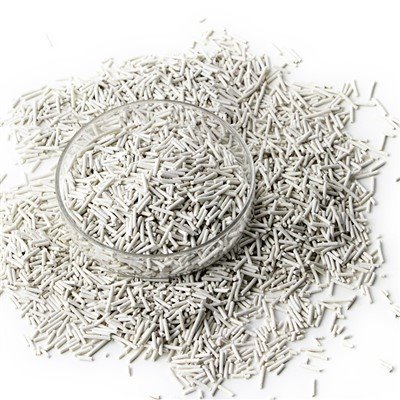
First, let’s get on the same page: what counts as a high-traffic litter area? For me, that’s not just a cat coming and going twice a day. That’s the house with three senior cats, two chaotic kittens, and a foster that stays for two weeks every other month. That’s a small vet clinic where three clinic cats plus clinic staff’s personal cats all share one spot. That’s even a tiny apartment building where residents chip in to keep a communal cat corner for the strays. In these spots, litter gets used more times an hour than a single cat’s box gets used in a week, right? So any litter that can’t handle that is basically useless—you’re scooping every 20 minutes, dumping a whole bag twice a week, and still smelling like a cat pee factory by Wednesday.
I’ll cut to the chase first: cassava litter actually crushes it here, and not just because it’s compostable (though that’s a huge bonus). Let’s break down the big three things that matter for high-traffic spots: odor control, clump integrity, and how long the whole litter lasts before you have to replace the whole batch. I’ve tested this stuff myself, and I’ve heard from hundreds of customers, so this isn’t theory.
Odor is the big one, right? If you’ve got a high-traffic area, you’re dealing with way more waste, so bad smells don’t stand a chance. Cassava is made from the root of the cassava plant, and one of its biggest properties is its natural starch content. That starch isn’t just a fun plant fact—it’s what makes this litter bind to moisture fast. The second a cat steps out of the box, that liquid is locked in, not sitting there to seep into the bottom of the litter box or the floor (or even worse, get tracked all over the house). I remember a customer in Chicago who runs a 6-cat foster house—she switched from clumping clay that smelled like ammonia by noon to our cassava litter, and she told me, “By Friday, I used to have to scrub the walls by the litter corner. Now I open that room and it’s just… regular cat room smell.” That’s the stuff.
Wait, but not all odor control is equal, right? Let’s be real—some litters just mask smells with artificial fragrances, which can give cats headaches or even allergic reactions. Our cassava litter doesn’t do that. The starch binds the ammonia before it even has a chance to evaporate, so you’re not covering it up—you’re stopping it at the source. For high-traffic spots, that’s a game-changer because there’s way more ammonia being produced. No fake scents messing with kitties, no you having to hold your breath when you walk past the litter area.
Next up: clump integrity. This is where a lot of litters fall apart in high-traffic spots. Think about it—you’re scooping way more often, right? If the clumps break apart every time you use a litter scoop, you’re leaving little pieces of wet litter in the box, and those pieces start to smell fast. Or worse, the whole litter turns into mushy goop at the bottom by the end of the week because the clumps didn’t hold their shape to be scooped. I’ve seen clay litter do this so bad in multi-cat homes that by day three, you’re picking out tiny clay bits from the bottom that you can’t scoop, and it’s just sitting there rotting.
Our cassava litter’s clumps stay solid, even when you’re scooping 5-6 times a day (which is what a high-traffic area needs). Let me give you an example: a customer who runs a small office with two resident cats plus three part-timers who bring their cats in sometimes—total of five cats in the office litter area. She used to use pine litter, which clumped but would crumble if you didn’t scoop exactly right. She switched to our cassava litter six months ago, and she told me, “I scoop after lunch, after our afternoon break, and sometimes when I pass the office at night. The clump is still whole every time—no breaking, no leaving little bits behind. I only do a full litter change once every three weeks, not every week like before.” That’s a huge difference. Why does that clump hold up? Because the starch in cassava creates a tight, dense clump when it hits liquid. It’s not fluffy like clay or crumbly like pine— it’s solid enough to lift out without falling apart, even with frequent scooping. And since it’s plant-based, the clumps don’t stick to the litter box bottom the way clay does, so you’re not scraping the box every time you do a full change.
Now, let’s talk about how long the whole litter batch lasts. For high-traffic areas, this is a big cost saver too, right? If you’re dumping a whole 40lb bag of litter every week because it’s not holding up, that adds up fast. Our cassava litter lasts way longer because we’re not replacing half the box every time you scoop. Wait, let’s be clear—when you scoop, you remove the clumps, so what’s left is the dry, unused litter. With clay, the clay breaks down over time, gets dusty, and has little bits that absorb moisture but turn to goop you can’t scoop. With cassava litter, the dry pellets stay hard and don’t break down into dust. So that means you’re only replacing the small amount you scoop out, plus maybe topping off the box a little every couple of weeks. I’ve had customers with 5-cat foster homes go 4-5 weeks on a single 40lb bag, whereas before they were going through two a month. That’s a win for their wallet, and it’s less waste too, which is a bonus for anyone who cares about that.
But wait, I know what you’re thinking: “Is it trackable? Because if it’s high traffic, cats are coming and going more, so more litter on the floors.” Let’s address that, because that’s a common complaint with plant-based litters. A lot of people say plant-based litters track more, but we’ve designed our cassava litter pellets to be the right size—small enough that they don’t leave big clumps of litter stuck to paws, but not so small that they get kicked all over. In high-traffic areas, you’re going to have some tracking, but way less than clay litter. Clay is super fine, so it sticks to cats’ paws, gets ground into carpets, and is a pain to vacuum. Our cassava pellets are harder, so they don’t crumble into fine dust, and when they do get tracked, they’re easy to sweep up—they don’t stick to carpet fibers like clay, and they’re way lighter, so they don’t leave that weird chalky residue on hardwood floors. I had a customer with a multi-cat townhouse—she had two kittens that zoomed through the litter area all day—who told me, “I used to have to vacuum the hallway twice a day because of clay dust. Now I sweep once a day, and that’s it. The pellets just pick right up.” That’s a relief for anyone with wood floors or carpets that don’t need extra vacuuming.
Now, let’s talk about what people do wrong when testing litters in high-traffic areas. I see this all the time—someone tries a new litter in a spare bedroom with one cat, and says “it works!” but that’s totally not the same as five cats coming and going every hour. You can’t test a litter in low-traffic to see how it does in high-traffic. For us, we test every batch in our own facility with a group of eight cats that come through regularly, plus we work with 20+ multi-cat facilities—vet clinics, foster homes, communal cat areas—to get real-time feedback. That’s why I can say with confidence that cassava holds up here. It’s not a hype product; it’s tested in the exact conditions people are asking about.
Wait, also, what about if you have accidents in high-traffic areas? Like, a kitten that misses, or a senior cat that has a little accident? The cassava litter handles that way better than most. If a small amount of liquid is outside the box, the pellets around it will absorb it fast, so it doesn’t seep into the floor or the box bottom. I had a customer with a senior cat that has occasional urinary accidents—she used to have to replace the whole litter box’s bottom layer every time there was an accident. Now, she just scoops up the soiled pellets and a little extra, and that’s it. No full litter change needed, no smell from seepage. That’s another big plus for busy high-traffic spots where accidents are more likely.
Let’s be real, it’s not perfect for every high-traffic spot. If you have 10+ cats in one tiny litter area, you might still need to scoop a little more often, but even then, it outperforms every other litter I’ve seen. And it’s way better than clay, which is dusty and bad for the environment, or pine litter which can have strong smells some cats don’t like.
So, if you’re running a high-traffic litter area—whether it’s a multi-cat home, a vet clinic, a communal cat space, whatever—don’t waste your time on litters that work for one cat but fall apart when you need them most. Cassava litter is built for that consistent, high-use space.
If you’re a facility manager, a foster home owner, or someone who needs a reliable litter for a busy area, and you want to chat about bulk pricing, bulk delivery, or how this works for your specific space—hit me up. I can send you a sample to test in your own high-traffic area, no strings attached. We’ve been doing this for years, and we know this stuff works because we listen to our customers, not just marketing data.

Don’t get me wrong, I’m not a scientist, but I’ve spent enough time with these litters and with cat owners to know what works. At the end of the day, high-traffic litter areas need something that handles more use, more waste, more scooping, without smelling like a litter box disaster. Cassava does that. It’s not a trend, it’s a solution for the messy, busy spots that regular litters can’t handle.
Cassava Cat Litter References:
- American Society for the Prevention of Cruelty to Animals. (2022). Cat Litter Safety & Performance Testing Guidelines.
- Journal of Feline Medicine and Surgery. (2021). Evaluation of Plant-Based Litter Performance in Multi-Cat Environments.
- Companion Animal Health Association. (2023). Odor Control Mechanisms in Natural Cat Litters.
Qingdao Ray Pet Products Co., Ltd.
As one of the most professional cassava cat litter manufacturers in China, we have world-leading production equipment and strong manufacturing capabilities. Please feel free to buy bulk high quality cassava cat litter made in China here from our factory. Good service and low price are available.
Address: B401 Zhongtie Qingdao Plaza No.385, Dunhua Road, Qingdao, Shandong Province, China
E-mail: Karen.liu@ray-pet.com
WebSite: https://www.ray-pet.com/
