As a supplier of Low Profile Raised Floors, I often encounter inquiries from clients about the availability of noise – reducing options in this type of flooring. In today’s blog, I aim to delve into this topic comprehensively, exploring whether there are indeed noise – reducing low profile raised floors, how they work, and their benefits. Low Profile Raised Floor
Understanding Low Profile Raised Floors
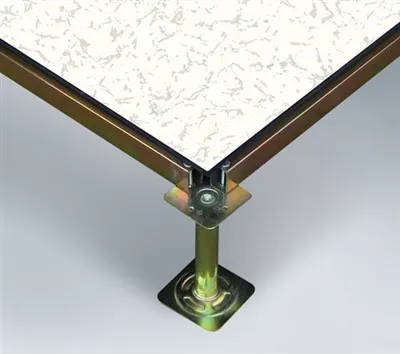
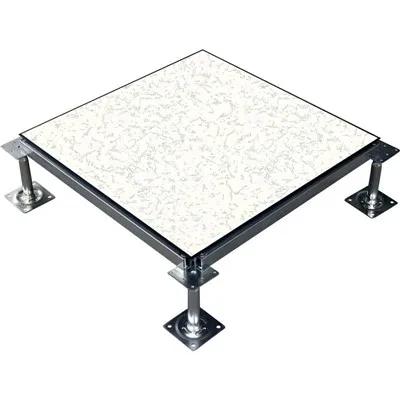
Before we discuss noise reduction, let’s first understand what low profile raised floors are. Low profile raised floors are elevated flooring systems that typically have a height range of 1 – 4 inches above the subfloor. They are designed to provide an accessible space for running cables, pipes, and other utilities while maintaining a relatively low – height clearance. These floors are commonly used in office spaces, data centers, and residential areas where a clean, organized look is desired, and easy access to under – floor infrastructure is necessary.
The Need for Noise Reduction
Noise can be a significant issue in various settings. In an office environment, excessive noise can lead to decreased productivity, increased stress levels, and difficulty in concentration. In data centers, the constant humming of servers and cooling systems can create a noisy atmosphere that may be a nuisance to the staff. Even in residential areas, noise from footsteps, moving furniture, or external sources can disrupt the peace and quiet of a home. Therefore, having a noise – reducing floor can greatly enhance the comfort and functionality of a space.
Are There Noise – Reducing Low Profile Raised Floors?
The answer is yes. There are several ways in which low profile raised floors can be designed or modified to reduce noise.
1. Material Selection
One of the primary factors in noise reduction is the choice of materials. Some materials are inherently better at absorbing or dampening sound than others.
- Rubber and Cork: Rubber and cork are excellent sound – absorbing materials. Rubber has a high density and elasticity, which allows it to absorb vibrations and convert them into heat energy. Cork, on the other hand, is a natural material with a cellular structure that traps air, providing good sound insulation. When used as the surface material or as an underlayment in low profile raised floors, these materials can significantly reduce noise transmission.
- Composite Materials: Some composite materials are specifically engineered to have sound – reducing properties. These materials are often a combination of different substances, such as polymers and fibers, which work together to absorb and dampen sound waves.
2. Underlayment
An underlayment is a layer of material placed between the subfloor and the raised floor panels. It plays a crucial role in noise reduction.
- Felt Underlayment: Felt underlayments are soft and porous, which makes them effective at absorbing sound. They can reduce impact noise, such as the sound of footsteps, by cushioning the impact and preventing the vibrations from traveling through the floor structure.
- Foam Underlayment: Foam underlayments, especially those made of high – density foam, can also provide good sound insulation. They work by creating a barrier that reflects and absorbs sound waves, reducing the amount of noise that passes through the floor.
3. Panel Design
The design of the raised floor panels can also contribute to noise reduction.
- Hollow Core Panels with Insulation: Some low profile raised floor panels are designed with a hollow core, which can be filled with insulation materials. These insulation materials, such as fiberglass or mineral wool, can absorb sound and prevent it from traveling through the panel.
- Interlocking Panels: Interlocking panels can create a more seamless and stable floor surface, which reduces the amount of noise caused by panel movement. When the panels fit tightly together, there is less opportunity for vibrations to occur and for noise to be generated.
How Noise – Reducing Low Profile Raised Floors Work
Noise – reducing low profile raised floors work through a combination of absorption, reflection, and isolation.
- Absorption: Sound – absorbing materials, such as rubber, cork, and insulation, convert sound energy into heat energy. When sound waves hit these materials, they cause the molecules in the material to vibrate. These vibrations are then dissipated as heat, reducing the intensity of the sound.
- Reflection: Some materials can reflect sound waves back towards their source. For example, a hard surface can reflect sound, preventing it from passing through the floor. By using a combination of reflective and absorptive materials, the overall noise reduction performance of the floor can be improved.
- Isolation: Noise – reducing floors can also isolate the space above the floor from the subfloor and the surrounding environment. By creating a physical barrier between the source of the noise and the occupied space, the amount of noise that reaches the occupants can be significantly reduced.
Benefits of Noise – Reducing Low Profile Raised Floors
There are several benefits to using noise – reducing low profile raised floors.
- Improved Comfort: By reducing noise, these floors can create a more comfortable environment. In an office, employees can work more efficiently without being distracted by noise. In a data center, the staff can work in a quieter atmosphere, reducing stress levels. In a residential area, residents can enjoy a more peaceful home.
- Enhanced Privacy: Noise – reducing floors can also enhance privacy. They prevent noise from traveling between different areas of a building, keeping conversations and other sounds private.
- Long – Term Cost Savings: Although noise – reducing low profile raised floors may have a slightly higher upfront cost, they can result in long – term cost savings. For example, in an office, increased productivity due to a quieter environment can lead to higher profits. Additionally, these floors may require less maintenance over time, as they are less likely to be damaged by excessive vibrations.
Case Studies
To illustrate the effectiveness of noise – reducing low profile raised floors, let’s look at a few case studies.
Office Building
A large office building in the city center was experiencing high levels of noise due to the open – plan layout and the constant movement of employees. The management decided to install noise – reducing low profile raised floors. The floors were made with a rubber surface and a felt underlayment. After the installation, the noise levels were significantly reduced. Employees reported that they were able to concentrate better, and there was a noticeable improvement in overall productivity.
Data Center
A data center was facing issues with noise from the servers and cooling systems. The data center operators installed low profile raised floors with hollow core panels filled with fiberglass insulation. The new floors effectively reduced the noise levels, creating a more comfortable working environment for the staff. Additionally, the insulation helped to improve the energy efficiency of the data center by reducing heat transfer through the floor.
Conclusion
In conclusion, there are indeed noise – reducing low profile raised floors available in the market. Through careful material selection, the use of underlayments, and innovative panel designs, these floors can effectively reduce noise transmission and create a more comfortable and functional space. Whether you are an office manager, a data center operator, or a homeowner, noise – reducing low profile raised floors can offer significant benefits.
Raised Floor Data Center If you are interested in exploring noise – reducing low profile raised floors for your project, I encourage you to reach out for a consultative discussion. Our team of experts is ready to assist you in finding the best solution that meets your specific needs and budget.
References
- "Building Acoustics: Principles and Practice" by Trevor Cox and Peter D’Antonio
- "Handbook of Noise and Vibration Control" by Malcolm J. Crocker
- Industry reports on raised floor systems and their applications in different settings.
Fineco Tech Co., Ltd.
As one of the most professional low profile raised floor manufacturers and suppliers in China, we’re featured by quality products and good service. Welcome to wholesale customized low profile raised floor made in China here from our factory. If you have any enquiry about cooperation, please feel free to email us.
Address: Wuyue Square, Wujin District, Changzhou, Jiangsu, China
E-mail: info@finecotech.com
WebSite: https://www.finecoglobal.com/
