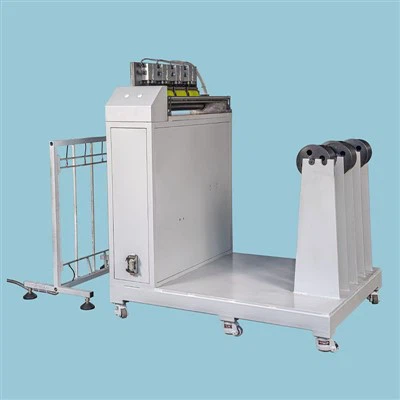
In the manufacturing industry, fin forming machines are crucial for producing fins in heat exchangers, radiators, and other thermal management equipment. These machines rely heavily on hydraulic systems to function effectively. As a supplier of fin forming machines, I understand the importance of meeting the right hydraulic requirements to ensure optimal performance, efficiency, and reliability. Fin Forming Machine
Understanding the Role of Hydraulics in Fin Forming Machines
Hydraulic systems in fin forming machines provide the necessary power and control to shape the fins accurately. The key components of a hydraulic system in these machines include a hydraulic pump, cylinders, valves, and hydraulic fluid. The pump is responsible for generating the flow of hydraulic fluid, which is then directed to the cylinders. The cylinders convert the fluid’s pressure into mechanical force, which is used to drive the various forming processes. Valves control the flow and pressure of the hydraulic fluid, allowing for precise adjustment of the machine’s operations.
The main functions of the hydraulic system in a fin forming machine are as follows:
1. Force Generation
Fin forming processes often require significant force to bend, cut, and shape the fin material. The hydraulic system can generate high forces, which are essential for forming fins from a variety of materials, including aluminum, copper, and stainless steel. The force generated by the hydraulic cylinders can be adjusted according to the specific requirements of the fin design and material thickness.
2. Speed Control
The speed of the fin forming process affects both the productivity and the quality of the fins. The hydraulic system allows for precise control of the speed of the moving parts of the machine. By adjusting the flow rate of the hydraulic fluid, the speed of the cylinders can be increased or decreased to meet the production needs. This is particularly important when forming complex fin shapes, where a slower speed may be required for accuracy.
3. Precision and Repeatability
Accuracy is crucial in fin forming, as even small deviations can affect the performance of the heat exchanger. The hydraulic system provides precise control over the movement of the forming tools, ensuring that each fin is produced with consistent dimensions and shape. This repeatability is essential for mass production, where large quantities of identical fins are required.
Key Hydraulic Requirements
1. Pressure Rating
The pressure rating of the hydraulic system is one of the most critical requirements. It determines the maximum force that the system can generate. The pressure required depends on several factors, such as the material being formed, the thickness of the material, and the complexity of the fin shape. For example, forming stainless steel fins with a thick gauge will generally require a higher pressure than forming aluminum fins. Typically, fin forming machines require hydraulic pressures ranging from 1000 to 3000 psi (pounds per square inch), but this can vary depending on the specific application.
2. Flow Rate
The flow rate of the hydraulic fluid is related to the speed of the machine’s operation. A higher flow rate allows for faster movement of the cylinders, which can increase the production rate. However, it is important to balance the flow rate with the pressure requirements. If the flow rate is too high, it can cause excessive wear on the hydraulic components and may also lead to inaccurate forming. The flow rate is usually measured in gallons per minute (GPM) and should be carefully selected based on the machine’s design and production requirements.
3. Fluid Quality
The quality of the hydraulic fluid is vital for the proper functioning and longevity of the hydraulic system. The fluid should have good lubricating properties to reduce friction between the moving parts of the system. It should also have high thermal stability to prevent degradation at high temperatures, as the hydraulic system can generate a significant amount of heat during operation. Additionally, the fluid should be resistant to oxidation and corrosion to protect the hydraulic components. Regular maintenance, including fluid changes and filtration, is essential to ensure the fluid remains in good condition.
4. System密封性
A well – sealed hydraulic system is necessary to prevent fluid leakage. Leakage not only leads to a loss of hydraulic pressure and efficiency but can also cause environmental contamination and damage to the machine’s components. The seals used in the hydraulic system should be of high quality and designed to withstand the operating pressures and temperatures. Regular inspection and replacement of seals are important to maintain the system’s integrity.
5. Control Accuracy
The ability to precisely control the pressure, flow rate, and movement of the hydraulic cylinders is essential for producing high – quality fins. The hydraulic valves and control systems should be able to provide accurate and repeatable adjustments. Advanced control systems, such as proportional valves and electronic controllers, can offer greater precision and flexibility compared to traditional mechanical controls.
Impact of Meeting or Failing to Meet Hydraulic Requirements
1. Meeting Hydraulic Requirements
When the hydraulic requirements of a fin forming machine are met, several benefits can be achieved. First, the machine will operate at its optimal performance level, resulting in high – quality fins with consistent dimensions and shape. This can improve the overall performance of the heat exchangers and other products that use these fins. Second, the machine will have a longer service life, as the hydraulic components will experience less wear and tear. Third, the productivity of the manufacturing process will be increased, as the machine can operate at a higher speed without sacrificing quality.
2. Failing to Meet Hydraulic Requirements
On the other hand, if the hydraulic requirements are not met, there can be serious consequences. Insufficient pressure may result in incomplete forming or poor – quality fins that do not meet the design specifications. Excessive pressure can cause damage to the forming tools and the hydraulic components. An improper flow rate can lead to slow production rates or inaccurate forming. Poor fluid quality can cause component failures and system breakdowns. And fluid leakage can lead to safety hazards and environmental problems.
Selecting the Right Hydraulic Components
As a fin forming machine supplier, we understand the importance of selecting the right hydraulic components for our machines. We work with reputable hydraulic component manufacturers to ensure that we use high – quality pumps, cylinders, valves, and filters. When selecting components, we consider the following factors:
1. Compatibility
The hydraulic components should be compatible with each other and with the fin forming machine’s overall design. This includes ensuring that the pressure and flow ratings of the components match the requirements of the system.
2. Quality and Reliability
High – quality components are more reliable and have a longer service life. We look for components that are made from high – quality materials and are manufactured to strict quality standards.
3. Performance and Efficiency
The components should be able to provide the required performance and efficiency. For example, the pump should be able to generate the necessary flow rate and pressure with minimal energy consumption.
4. Service and Support
Good service and support from the component supplier are essential. This includes technical assistance, spare parts availability, and after – sales service.
Conclusion
The hydraulic requirements of a fin forming machine are complex and critical for its proper operation. Meeting these requirements ensures high – quality fin production, increased productivity, and a longer machine service life. As a fin forming machine supplier, we are committed to providing machines that meet the highest hydraulic standards. We carefully select the hydraulic components and design the systems to ensure optimal performance and reliability.
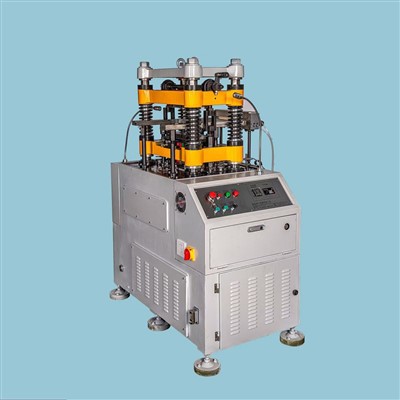
If you are looking for a reliable fin forming machine that meets all the necessary hydraulic requirements, we are here to help. Our team of experts can provide you with detailed information about our products and assist you in selecting the right machine for your specific needs. Contact us to start a procurement discussion and take the next step in enhancing your manufacturing capabilities.
Fin Press Machine References
- Smith, J. (2018). Hydraulic Systems in Manufacturing Machinery. Industrial Press.
- Johnson, R. (2020). Handbook of Fin Forming Technology. Taylor & Francis.
- Wilson, A. (2019). Hydraulic Component Selection for Precision Machines. ASME Press.
Suichang Lvye Machinery Co., Ltd.
We are one of the most professional fin forming machine manufacturers in China, also support customized service with low price. We warmly welcome you to buy discount fin forming machine for sale here from our factory. If you have any enquiry about quotation, please feel free to email us.
Address: No. 402, Mudanting East Road, Miaogao Street, Suichang County, Lishui City, Zhejiang Province
E-mail: L528753@outlook.com
WebSite: https://www.suichanglvye.com/
