Are there any standards for metallic expansion joints?
As a supplier of metallic expansion joints, I often encounter clients who are curious about the standards governing these essential components. Metallic expansion joints play a crucial role in various industries, including power generation, petrochemical, and HVAC, by compensating for thermal expansion, vibration, and misalignment in piping systems. Understanding the standards is vital for ensuring the quality, safety, and performance of these products. Metallic Expansion Joint

International and National Standards
There are several international and national standards that define the requirements for metallic expansion joints. One of the most widely recognized international standards is EJMA (Expansion Joint Manufacturers Association) standards. The EJMA is a non – profit organization in the United States that has developed comprehensive guidelines for the design, fabrication, testing, and installation of metallic expansion joints. Its standards cover a wide range of expansion joint types, such as bellows expansion joints, pressure balanced expansion joints, and universal expansion joints.
EJMA standards provide detailed equations for calculating the design parameters of expansion joints, including bellows dimensions, stress levels, and fatigue life. These calculations are based on extensive research and testing, ensuring that expansion joints designed according to EJMA standards can withstand the specified operating conditions. For example, when designing a bellows expansion joint for a high – temperature piping system, EJMA standards help determine the appropriate number of convolutions, wall thickness, and material selection to ensure the joint can handle thermal expansion without failure.
In addition to EJMA, other international standards also exist. ISO (International Organization for Standardization) has relevant standards for metallic expansion joints. ISO standards focus on general requirements related to the design, manufacturing, and testing of expansion joints. They are designed to promote global harmonization in the industry, allowing manufacturers to produce products that meet consistent quality levels across different countries.
In different countries, there are national standards as well. For instance, in the European Union, EN standards are widely used. The EN 14917 standard provides requirements for metallic bellows expansion joints for general applications. It covers aspects such as material quality, manufacturing processes, and non – destructive testing methods. National standards often take into account local regulations, environmental conditions, and industry practices, which may be slightly different from international standards. For example, in some cold – climate countries, the standards may have stricter requirements for the low – temperature performance of metallic expansion joints.
Standard Requirements for Different Aspects
Material Selection
Standards for metallic expansion joints have strict requirements for material selection. The choice of material depends on various factors such as the operating temperature, pressure, corrosive environment, and the type of fluid flowing through the piping system. Commonly used materials include stainless steel, carbon steel, and nickel – based alloys.
EJMA standards and other relevant standards specify the chemical composition, mechanical properties, and heat treatment requirements for these materials. For example, for a stainless steel bellows used in a corrosive chemical plant, the standard may require a minimum percentage of chromium and nickel to ensure corrosion resistance. In addition, the material should have sufficient strength and ductility to withstand the mechanical stresses during operation.
Design and Fabrication
Design and fabrication are critical aspects of metallic expansion joints, and standards play a key role in ensuring the proper performance of these products. The standards define the geometric parameters of expansion joints, such as the diameter, length, and number of convolutions. They also specify the manufacturing processes, including forming, welding, and heat treatment.
During the fabrication process, strict quality control measures are required according to the standards. Welding is a particularly important process, and standards specify the welding techniques, welding materials, and inspection methods. For example, non – destructive testing methods such as ultrasonic testing and radiographic testing are often required to detect any internal defects in the welds. This ensures that the expansion joint has high – quality welds that can withstand the pressure and movement in the piping system.
Testing and Inspection
Testing and inspection are essential steps to ensure that metallic expansion joints meet the standards. There are several types of tests specified in the standards, including hydrostatic testing, pneumatic testing, and fatigue testing.
Hydrostatic testing involves filling the expansion joint with a liquid (usually water) and pressurizing it to a specified level to check for leaks and the integrity of the joint under pressure. Pneumatic testing uses a gas (such as air) instead of a liquid and is often used when the system cannot tolerate the presence of water. Fatigue testing is used to evaluate the durability of the expansion joint under cyclic loading conditions, simulating the actual operating environment.
In addition to these tests, visual inspection and dimensional inspection are also required. Visual inspection is used to check for any surface defects such as cracks, dents, or scratches, while dimensional inspection ensures that the expansion joint meets the specified geometric requirements.
The Importance of Adhering to Standards
As a supplier, adhering to these standards is of utmost importance. Firstly, it ensures the quality and safety of the products. By following the standards in material selection, design, fabrication, and testing, we can produce expansion joints that can withstand the expected operating conditions without failure. This reduces the risk of accidents and breakdowns in the piping system, protecting the property and personnel in the industrial facilities.
Secondly, compliance with standards enhances the credibility of our company. In a competitive market, customers are more likely to choose suppliers who can demonstrate that their products meet recognized standards. It shows that we are committed to quality and have a professional approach to manufacturing.
Finally, adhering to standards facilitates international trade. With the globalization of the industry, many of our clients are from different countries. When our products meet international and national standards, they can be easily exported and used in different markets, removing potential trade barriers.
Conclusion
In conclusion, there are indeed well – established standards for metallic expansion joints at both international and national levels. These standards cover various aspects of expansion joint design, fabrication, testing, and installation. As a reputable supplier of metallic expansion joints, we are committed to strictly following these standards to ensure the high quality and performance of our products.
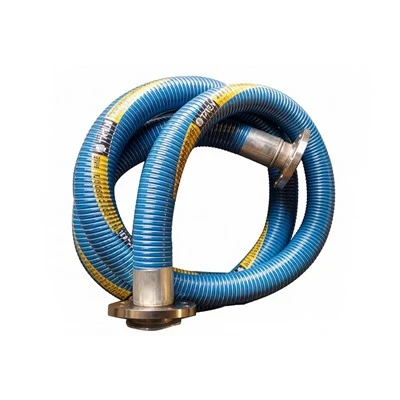
Metal Hose If you are looking for reliable metallic expansion joints for your projects, whether you are in the power generation, petrochemical, or any other industry, we can provide you with the right solutions. Our products are designed and manufactured to meet the most stringent standards, ensuring your piping systems operate safely and efficiently. To discuss your specific requirements and start a procurement process, please feel free to contact us. We look forward to working with you to find the best expansion joint solutions for your applications.
References
- Expansion Joint Manufacturers Association (EJMA). EJMA Standards for Metallic Bellows Expansion Joints.
- International Organization for Standardization (ISO). Relevant ISO standards for metallic expansion joints.
- European Committee for Standardization (CEN). EN 14917 – Metallic bellows expansion joints for general applications.
Jiangyin Jiayu Pipe Industry Co., Ltd.
With abundant experience, we are one of the most professional metallic expansion joint manufacturers in China. We warmly welcome you to wholesale bulk high quality metallic expansion joint in stock here from our factory. If you have any enquiry about pricelist and free sample, please feel free to email us. Customized orders are welcome.
Address: No.161 Ludong Main Street, Luqiao, Jiangyin City, Wuxi City, Jiangsu Province
E-mail: 15161623900@163.com
WebSite: https://www.jiayupipe.com/
