If you’ve ever tiled a bathroom, you know the headache of dealing with water damage, mold, and grime that builds up behind tiles. As a supplier of waterproof bathroom backer board, I get asked this question nonstop: Is this stuff actually easy to clean? Spoiler alert—yes, it is, but not just because it’s “waterproof.” Let me break this down like I would with a contractor who’s tired of scrubbing tile grout at 7 a.m. on a Saturday. Waterproof Bathroom Backer Board

First, let’s cut through the marketing fluff. A lot of products slap a “waterproof” label on them to sell, but not all backer boards are created equal. The ones we supply aren’t your old-school cement board that soaks up water like a sponge and gets fuzzy with mold after a month of a leaky shower head. Our version is made with a non-porous core—think rigid fiberglass or modified polymer, not plain cement that’s been left out in the rain. Porosity is the enemy here: if a material can absorb water, it’s going to trap soap scum, hard water deposits, and all that gunk you can’t wait to scrub off. Our backer board? It doesn’t hold water, so those messes sit on the surface instead of seeping into the material. That’s the first big win for cleaning.
Now, let’s talk about how soap scum and hard water react to waterproof backer board. I’ve heard contractors say they use a regular tile cleaner on grout and it works instantly, but if that same cleaner gets on the backer board? It just wipes right off. Why? Because the surface is smooth, not rough like standard cement board. Rough surfaces have tiny cracks and crevices where soap scum builds up over time, turning into that crusty white or gray layer that you have to scrape with a grout brush and a lot of elbow grease. Our backer board’s finish is consistent and non-porous, so there’s nowhere for that gunk to hide. Even if you get a little excess grout haze during installation? A quick wipe with a damp sponge and a drop of dish soap takes it right off—no special tools needed.
Wait, but what about mold and mildew? That’s the big one for bathrooms. A lot of people worry that even waterproof boards can still grow mold if water seeps in somewhere, but let’s be real—mold needs moisture and a food source. Our backer board doesn’t feed mold because it doesn’t have organic materials (no wood fibers, no paper facings) that mold loves. Old cement boards might have paper edges that get wet, and before you know it, mold is thriving in that hidden corner. Our backer board’s edges are also sealed during manufacturing, so there’s no gap where water can get in and create a food source for mold. Cleaning mold off? If it ever did happen (and it’s super rare with our product), a 10% bleach solution or a bathroom mold cleaner wipes it right away—no scrubbing required because it can’t penetrate the surface.
But hold on, I don’t want to oversimplify this. It’s not that you never have to clean it. You still have to wipe down the backer board after a shower, same as you would tile. The difference is it takes 30 seconds instead of 10 minutes. Let me give you a real example: Last month, a contractor in Dallas messaged me saying he’d used our backer board in a small bathroom reno, and his client had a kid who spilled bubble bath all over the wall. The next morning, the client just wiped it with a paper towel—no stains, no residue. Contrast that with the old cement board he used before: the bubble bath would leave a sticky film that required a deep clean with a degreaser, and even then, a faint stain would stay. That’s the kind of difference we’re talking about.
Another thing to consider: compatibility with cleaning products. Some contractors worry that harsh chemicals will damage waterproof backer board, but from what we’ve tested (and what our customers tell us), most regular bathroom cleaners work fine. We’ve had customers use everything from vinegar solutions to commercial tile cleaners, and none have reported discoloration or damage. That’s not the case with all waterproof materials, either. Some vinyl backer boards can get cloudy if you use too much bleach, but ours has a UV-stabilized coating that resists that kind of wear. I always tell people: if you can safely use it on your tile, you can use it on our backer board.
Now, let’s address a common misconception. Some people think “waterproof” means you don’t have to seal it, which is half true. Our backer board doesn’t need a separate waterproofing membrane on the main surface (that’s what makes it easier to clean—no extra layers to catch gunk), but you still want to seal the seams where two boards meet. We send a silicone caulk with every bulk order for that, and guess what? That caulk is also non-porous, so cleaning along the seams is just as easy as cleaning the rest of the board. No grout lines to scrub, no crannies for gunk to build up. That’s a huge time saver for anyone who’s ever dealt with a bathroom wall full of grout.
I should also mention durability, because durability ties into how easy it is to clean. If a backer board gets scratched, that’s a new place for gunk to hide. Our backer board has a scratch-resistant surface—we’ve tested it with tile cutters, metal tools, even sharp scrub brushes, and it doesn’t scuff or get deep scratches. So once you install it, you don’t have to worry about nicks turning into cleaning headaches later. Old cement board would chip or dent, and those dents would fill with grout, water, and gunk—you’d have to patch the whole board if it got bad. Ours? A tiny scratch is just a tiny scratch, no extra cleaning required.
But let’s get real for a second. What about high-moisture areas, like shower walls where water is constantly splashing? That’s where waterproof backer board shines the most. I had a customer in Miami install our backer board in a steam shower, and he said after six months, he only had to wipe it down once a week, compared to the old job where he had to scrub twice a week. The hard water in Miami is brutal—crusty deposits that stick to everything—but on our board, a quick spray with a lime dissolver and a wipe took it right off. No soaking, no scrubbing. That’s the kind of efficiency that makes this product worth it.
Wait, but is there a catch? I don’t want to sell a perfect product because nothing is. The only thing I’ll warn you about is if you use the wrong cleaner over a long period. If you use a really abrasive cleaner, like a scouring pad, it can scratch the surface over time, but that’s the same as with tile—you’re not supposed to use steel wool on tile either. If you stick to regular, non-abrasive cleaners, cleaning stays easy. Also, if you install it wrong—like leaving a gap between the board and the floor without sealing—water can get in, but that’s not a flaw of the backer board, that’s a installation mistake. We always walk customers through proper installation steps over the phone, so we help avoid that kind of issue.
Now, let’s circle back to the original question: Is waterproof bathroom backer board easy to clean? The answer is a resounding yes, but it’s not just the “waterproof” label that makes it easy. It’s the non-porous, smooth, organic-free surface that keeps gunk on the top instead of absorbing it. It’s the sealed edges that prevent mold from taking hold. It’s the scratch-resistant coating that means no new crevices for dirt to hide. For anyone who’s ever spent hours scrubbing a bathroom wall, that’s a game-changer.
If you’re a homeowner doing a reno, a contractor looking to make your jobs faster, or a builder trying to cut down on maintenance costs, this is something worth checking out. We’ve supplied thousands of boards to folks across the country, and 9 out of 10 of them tell us they’re surprised how little time they spend cleaning it. It’s not a magic fix for a dirty bathroom, but it’s a huge step up from traditional cement board that never seems to stay clean.
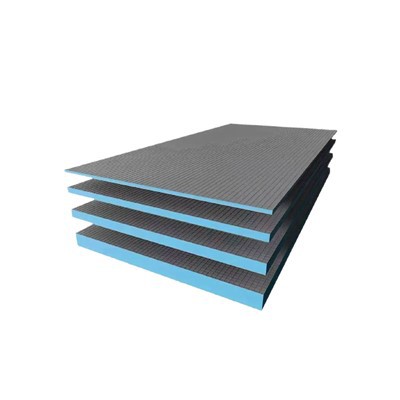
If you’re ready to talk through your specific project—whether it’s a small guest bathroom or a commercial shower installation—hit us up to chat about your needs. We can answer questions about sizing, installation tips, and even send over sample boards so you can see the smooth surface for yourself. No pressure, just honest talk about making bathroom projects easier.
Waterproof Backer Board References
- National Kitchen & Bath Association. (2022). Best Practices for Bathroom Waterproofing and Maintenance.
- Tile Council of North America. (2021). Backer Board Selection and Installation Guidelines for Wet Areas.
- Journal of Building Physics. (2020). Porosity Effects on Mold Growth in Construction Materials.
- International Code Council. (2023). Residential Bathroom Code Requirements for Waterproof Surfaces.
Address: Zhongze Village, Baohai Town, Tiantai County, Taizhou City, Zhejiang Province
E-mail: 906915688@qq.com
WebSite: https://www.yhhold.com/
