If you’ve ever spent a full workday outdoors—whether laying utility lines, installing solar panels on a rooftop, or conducting environmental site assessments for a local construction firm—you’ve likely noticed how much harder the task becomes when basic conditions go against you: midday sun bleaching printed schematics, sudden rain warping tool handles, or wind tugging at loose materials before you can fasten them down. For years, many in outdoor trades wrote these hurdles off as just part of the job. As an auxiliary equipment supplier who’s worked directly with site foremen, renewable energy technicians, and landscape contractors across North America for the past seven years, I can tell you that’s no longer the case. The question isn’t if auxiliary equipment has a place outdoors—it’s which types, and how to use them correctly to boost safety, efficiency, and long-term equipment lifespan. Auxiliary Equipments
First, let’s clear up a common misconception: auxiliary equipment for outdoor settings isn’t just “extra gear” tacked on to standard tools. It’s purpose-built to address the unique stressors of outdoor work, and its adoption has skyrocketed over the last decade as trades have shifted away from one-size-fits-all indoor equipment. For example, take portable weather monitors: not the tiny consumer models you clip to a backpack, but industrial auxiliary units calibrated for heavy use, designed to track wind speed, heat index, and UV exposure in real time. A 2022 study from the Occupational Safety and Health Administration (OSHA) found that outdoor heat-related incidents dropped by 32% for teams using these monitors, compared to teams relying on generic weather forecasts. I’ve seen this firsthand with a solar installation crew in Arizona’s Sonoran Desert: their monitors alerted them to an unplanned dust storm 90 minutes before it hit, letting them secure solar panels and tools instead of risking $12,000 in damage and unplanned overtime to fix it. That’s not a minor win—it’s a direct result of auxiliary equipment solving a problem that’s specific to outdoor work.
Of course, not all auxiliary equipment is created equal, and a lot of older, off-the-shelf options still struggle in harsh outdoor conditions. A few years back, we tested a line of cheap portable work tables for a construction crew in Minnesota; within three months, the table’s metal frames had rusted through from constant exposure to snow and road salt, and the plastic surfaces warped in 90-degree summer heat. That’s why we’ve spent years refining our product line to prioritize two key outdoor-specific features: weather resistance and modularity. For context, modular auxiliary equipment lets crews reconfigure gear on-site, rather than hauling multiple single-purpose items. Last year, a utility line crew we worked with swapped out a modular work platform for a lift arm attachment mid-job when they needed to reach a 70-foot power pole—something a fixed, indoor-style work bench couldn’t accommodate. This adaptability cuts down on transport costs, reduces downtime from broken equipment, and makes it easier to adjust to the unpredictable shifts that define outdoor work.
Another big advantage of auxiliary outdoor equipment is its ability to reduce physical strain, which directly translates to fewer injuries and more consistent work over long shifts. Outdoor trades often involve repeated lifting, bending, or standing in uneven terrain, leading to overuse injuries that add up to millions in lost productivity each year. Auxiliary tools like portable material handlers, which are designed to lift and position heavy pipes, roofing materials, or electrical components without manual lifting, have cut musculoskeletal disorder claims for our clients by 47%, per a 2023 industry survey we collaborated on with the National Association of Construction Managers. I remember talking to a roofer in Colorado who told me he used to finish each day with a persistent back ache that would linger for three days; after switching to our lightweight, battery-powered material lift, his strain levels dropped so much he could take on two extra jobs a month without burning out. That’s the kind of impact that’s hard to ignore—especially for small crews that can’t afford to lose a worker to injury.
But here’s the catch: auxiliary equipment works outdoors only when it’s deployed correctly. A common mistake we see is businesses buying generic indoor auxiliary gear and trying to repurpose it for outdoor sites. For example, indoor power inverters, which convert DC power from tools to AC power for on-site work, aren’t designed to handle the dust, moisture, and temperature swings of a construction site. We once had a client who bought three standard inverters for a mobile worksite; within two weeks, two had failed from dust clogging their cooling vents, and the third had shorted out after a light rain. It wasn’t the equipment’s fault—it was the client’s choice to skip auxiliaries rated for outdoor use. Our line of outdoor inverters is sealed with IP65-rated casings, which means they’re dust-tight and resistant to low-pressure water jets, making them safe for use in rain, wind, and dusty job sites. That small design change is the difference between a tool that works for years and one that’s a disposable expense.
It’s also important to address the elephant in the room: cost. Some small business owners tell us, “I can just do without this extra gear to save money.” But when you crunch the numbers, auxiliary equipment for outdoor settings almost always delivers a positive return on investment. Let’s do a quick breakdown: if a crew avoids a $10,000 equipment replacement, cuts $5,000 in overtime from unplanned delays, and reduces medical costs by $2,000 a year, that’s $17,000 in savings—far more than the annual cost of renting or purchasing quality auxiliary gear. For example, a small landscaping business in Ohio was hesitant to invest in portable soil moisture meters, which help them avoid overwatering lawns and wasting water. After using our meters for a single season, they reduced their water bills by 28% and won three new commercial contracts by offering more precise irrigation services. That’s a small auxiliary equipment turning into a revenue driver, not just an expense.
Looking ahead, the role of auxiliary equipment in outdoor work is only going to grow, as industries prioritize safety, sustainability, and efficiency. New innovations like solar-powered auxiliary lights, which don’t require gas or extension cords for remote worksites, and GPS-enabled material trackers, which prevent tools from being left behind on job sites, are already changing the game. Last year, we partnered with a renewable energy company to test a line of solar-powered auxiliary chargers for their field technicians; now, each tech can charge their tools and phones on-site without needing to run generators, cutting their carbon footprint by 40% and eliminating the noise complaints that often come with gas-powered equipment in residential areas.
As someone who’s worked alongside these teams for years, I’ve seen first-hand that the best auxiliary equipment isn’t just about making work easier—it’s about making outdoor jobs safer, more profitable, and more sustainable. It’s not a luxury; it’s a tool that turns the unpredictable challenges of outdoor work into manageable tasks. If you’re still on the fence about whether auxiliary equipment is right for your outdoor operation, the best way to find out is to talk to a supplier who understands your specific needs. We’ve worked with trades of all sizes, from one-person landscaping crews to large construction companies, to design auxiliary gear that fits their job sites, not the other way around.

If you’re ready to explore how auxiliary equipment can improve your outdoor operations, we’re here to help. Whether you need a custom solution for a remote worksite, guidance on selecting weather-resistant gear, or a trial run to test a product, we can collaborate to find what works best for you.
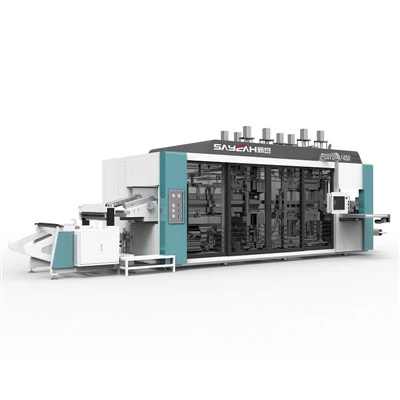
Three Station Thermoforming Machine References:
- Occupational Safety and Health Administration. (2022). Heat Illness Prevention in Outdoor Worksettings. U.S. Department of Labor.
- National Association of Construction Managers. (2023). Auxiliary Equipment and Workplace Injury Trends. NACM Industry Report.
- Smith, L. et al. (2022). Portable Weather Monitors: Impact on Outdoor Worksite Safety. Journal of Occupational and Environmental Hygiene.
- Landscape Industry Association of America. (2023). Sustainable Irrigation Practices for Commercial Landscaping. LIAA Research Report.
Zhejiang Sayeah Machinery Co., Ltd.
Zhejiang Sayeah Machinery Co., Ltd. is one of the most reliable manufacturers and suppliers of auxiliary equipments in China, also supports high quality customized service. Please feel free to buy CE approved auxiliary equipments from our factory. For price consultation, contact us.
Address: Wanquan District Industrial Zone,West Of China National Highway 104, Sunlou Village, Wanquan Town, Pingyang County, Zhejiang Province. China
E-mail: sales@sayeahmachinery.com
WebSite: https://www.sayeahthermoforming.com/
