When I first started working in the solar energy storage system supply business back in 2012, I had a lot of customers ask me this exact question: “Do solar energy storage systems really need maintenance?” At the time, I’d show them our detailed installation manuals and explain how modern lithium-ion batteries are built to last, but I noticed a pattern. Most people assume that because solar panels and storage batteries are sealed, they never need upkeep. They think once the system’s on their roof or in their garage, it’s set it and forget it. Over the years, I’ve come to see that misunderstanding as one of the biggest reasons some new system owners end up with lower performance or shorter equipment life than they should. Today, I want to pull back the curtain on what maintenance actually looks like for solar energy storage systems—from the perspective of someone who’s installed, serviced, and replaced hundreds of these systems for residential and commercial clients. Solar Energy Storage System

Let’s start with the basics: what even is a solar energy storage system’s “maintenance”? It’s not just swapping out parts when something breaks. It’s the regular checks that catch small issues before they become costly failures. I’ve seen a system owner skip basic checks for three years, only to find their battery bank was losing 30% of its capacity because of a loose connection they could have tightened in five minutes. For suppliers like us, part of our job is to educate customers that maintenance isn’t a one-time task—it’s a continuous process that varies depending on the type of system you have.
First, let’s talk about the most common components: the battery bank. Whether it’s lead-acid (though these are far less common now) or lithium-ion, the battery is the heart of the storage system. Lithium-ion systems, which we primarily supply, have a reputation for being low-maintenance, but that doesn’t mean zero. For residential setups, our field technicians recommend a monthly visual check. What does that look like? Walk to the battery enclosure (usually a small, locked cabinet in the garage or backyard) and check for any obvious signs of damage: dented casings, corrosion around terminal connections, or unusual smells—like a sour or burnt odor, which can be a sign of overheating or cell damage. I had a customer last year who noticed a faint odd smell in his garage and found his battery’s cooling fan was clogged with dust. If he’d waited another month, the fan would have burned out, and he’d be looking at a $2,000 replacement instead of a $50 cleaning.
Then there’s the inverter-charger, the part that converts the DC power from the solar panels and batteries into AC power your home uses. This unit runs 24/7 when the system is active, so it’s prone to wear from dust, humidity, and temperature fluctuations. Our team does quarterly performance checks on commercial systems, but for residential owners, we suggest a quick test every three months: use a smart meter (most systems come with one) to check if the battery is charging to its advertised capacity. If it’s only charging to 70% or 80% instead of 100%, that’s a red flag. More often than not, it’s a minor issue—like a software update the inverter needs, or a small calibration problem. We’ve had customers who didn’t do these checks and ended up replacing their inverters two years early, a cost we work hard to help them avoid with routine support.
Weather exposure plays a big role too, especially for off-grid systems or systems with outdoor components. I remember a farm client who had their storage system installed in a metal enclosure outside. After a heavy hailstorm, small dents in the enclosure left gaps where rain and moisture got in, corroding the battery terminals. If we’d done a post-storm check, we could have sanded and sealed the enclosure in an hour, preventing the corrosion. For any system exposed to extreme temperatures—whether it’s extreme heat in Arizona or cold in Minnesota—there are specific maintenance steps. Lithium-ion batteries perform best in temperatures between 20°C and 25°C (68°F and 77°F). In very hot climates, we recommend checking the cooling system every six months; in cold climates, making sure the battery enclosure is insulated so it doesn’t have to work overtime to maintain operating temperature. That overtime work shortens battery life by years if unaddressed.
Now, let’s address a common myth: “New systems don’t need maintenance because they have smart technology.” It’s true that modern storage systems come with monitoring software that sends alerts to your phone if something is wrong. But that’s a tool, not a replacement for physical checks. I once had a commercial client whose monitoring system sent an alert about a minor connection issue, but the client ignored it because they were busy with business. Six weeks later, the connection arced, damaging two battery cells. The repair cost was far more than if they’d had a technician come out for a quick check. Smart alerts are great, but they work best when paired with regular, hands-on maintenance.
For commercial clients, the maintenance workload is a bit more structured. Most commercial system owners sign up for our annual maintenance plan, which includes a full system audit, firmware updates, cleaning of panels and battery terminals, and performance testing. Why? Commercial systems are larger, often power critical operations like small businesses, farm equipment, or community centers. A failure can mean thousands of dollars in lost revenue, so the cost of routine maintenance is negligible compared to the cost of downtime. We’ve had a retail client who had a maintenance plan, and last year, our team found a faulty sensor that would have shut down the entire system during a peak summer day when AC usage was high. We replaced the sensor for $150, and they avoided an estimated $12,000 in lost sales that weekend.
Another key part of maintenance is battery cycling and calibration. Lithium-ion batteries degrade over time based on how often they’re charged and discharged. If a system is only ever charged to 50% and discharged to 50%, the battery will last much longer than one that’s fully charged and discharged regularly. Part of maintenance includes occasional full cycles—charging the battery to 100% and then discharging it to 20%—to calibrate the system’s monitoring software, so it accurately tracks remaining capacity. We recommend doing this once every six months for residential systems, and quarterly for high-use commercial systems. Skipping calibration leads to inaccurate capacity readings, so owners might think their battery is dead when it’s just miscalibrated, or they might underutilize the battery’s full capacity.
What about warranty considerations? This is a big one for our customers. Most solar energy storage systems come with a 10-year or 15-year warranty, but those warranties often require proof of regular maintenance to be valid. I’ve had two different customers in the last three years whose warranty claims were denied because they couldn’t show they’d performed routine checks. One residential customer’s battery died after three years, and the manufacturer said they never did the required calibration checks, so the warranty was void. That was a hard lesson, and now we make sure to highlight warranty requirements as part of our customer onboarding process. Our team keeps digital records of every maintenance check we perform, so if something does go wrong, customers have proof of upkeep to support a warranty claim.
I should also mention what maintenance doesn’t include. It’s not about doing complex repairs yourself. Unless you’re a certified technician, you should never open the battery casing or try to fix inverter issues on your own. High-voltage components in storage systems are dangerous, and messing with them can cause electric shock or damage the system further. What maintenance is is the regular, simple checks we’ve talked about, plus scheduling professional service when needed. We offer tiered maintenance plans for residential and commercial clients, from a basic quarterly check to a full annual audit, so there’s an option for every budget and system size.
Let’s talk about real-world data, too. A 2022 study by the International Renewable Energy Agency (IRENA) found that properly maintained solar energy storage systems have a lifespan that’s 30% longer than systems that go without regular upkeep. That’s a huge difference—if a battery is supposed to last 10 years, proper maintenance can get it to 13 years or more. For our customers, that means a much better return on their initial investment. I’ve seen systems that we installed in 2015 still running at 85% capacity, because the owner stuck to our maintenance schedule, while another system from the same year, with almost identical usage, was down to 60% capacity because of skipped checks.
I know a lot of people want to cut corners on maintenance to save money, but that’s a false economy. The cost of a single service call to fix a preventable issue is often more than the cost of a year of routine maintenance. Plus, the peace of mind that comes with knowing your system is running efficiently, whether it’s powering your home during a blackout or reducing your monthly utility bills, is invaluable. For commercial clients, reliable energy means keeping operations running, so downtime isn’t an option. For residential clients, a well-maintained system means not having to shell out for a replacement battery sooner than necessary.
Now, if you’re reading this and you’re a current system owner, I encourage you to pull up your monitoring app right now. Check your battery’s current capacity and the number of charge cycles it has. If it’s below expected levels, or if you haven’t done a visual check in the last three months, reach out. We offer free system assessments for new and existing customers to help them identify any small issues before they become big problems.
At the end of the day, solar energy storage systems do require maintenance—not because they’re unreliable, but because they’re sophisticated, high-performance equipment that works hard for you every day. The misconception that they’re “set it and forget it” leads to avoidable issues, but with regular, simple upkeep, they’ll deliver on their promise of clean, independent energy for decades.
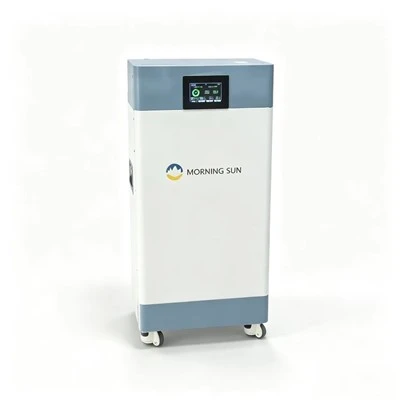
If you’re in the market for a solar energy storage system, or you have an existing system that needs a maintenance check, we’re here to help. Our team has decades of experience designing, installing, and servicing storage systems for all types of properties, and we can work with you to create a maintenance plan that fits your needs and budget. Don’t wait until a small issue becomes a costly repair—reach out to us today to schedule a consultation.
Portable Power Station References
International Renewable Energy Agency. (2022). Solar Energy Storage: Lifespan and Maintenance Best Practices. IRENA Publications.
National Renewable Energy Laboratory. (2021). Lithium-Ion Battery Degradation and Calibration Strategies for Residential Energy Storage. NREL Technical Report.
Solar Energy Industries Association. (2023). Warranty Requirements for Solar Energy Storage Systems. SEIA Industry Guidelines.
Qingdao Chenyang Electrical Technology Co., Ltd.
Qingdao Chenyang Electrical Technology Co., Ltd. is one of the most reliable solar energy storage system manufacturers and suppliers in China, featured by quality products and low price. Please rest assured to buy CE approved solar energy storage system in stock here and get pricelist from our factory. Customized orders are welcome.
Address: No.5 Yunshui 2nd Road, Jimo District, Qingdao City, Shandong Province, China
E-mail: e-sales01@chenyangmfg.com
WebSite: https://www.cyenergystorage.com/
