Alright, let’s break down how nylon yarn gets recycled—from collecting old stuff to turning it into new thread, and throw in my two cents as a supplier who’s seen this process work firsthand. I’ve been in the nylon game for 8 years, and let me tell you, when people ask “what’s the big deal about recycled nylon?” the answer’s not just “it’s green”—it’s a whole, messy, super specific process that makes way more sense than you’d think. Nylon Yarn
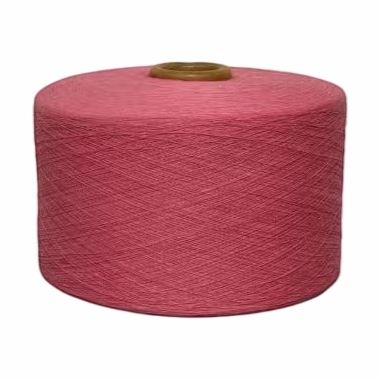
First off, most folks don’t realize that the nylon we use in everyday stuff (like your old workout leggings, the carpet in your office, or even that luggage you’ve had since college) is made from a polymer called polyamide 6 or polyamide 6,6. Unlike cotton or polyester, nylon never fully biodegrades—it just breaks down into tiny microplastics if it’s tossed in a landfill. That’s why recycling it is so crucial, not just for the planet but because we can basically turn old nylon into new nylon, no skips. I’ve told my clients this a hundred times: recycled nylon yarn is just as durable as virgin, sometimes even better because we clean it so well.
Now, let’s get into the actual process—this is where most articles skip the gritty parts, but I’ve stood in our supplier partner’s factory so I know exactly what happens. Step 1 is collection, and it’s not just grabbing random old socks (though that’s part of it). There are two main streams here: post-consumer waste (stuff people throw away, like those worn-out Patagonia pants or old carpet tiles) and post-industrial waste (leftover scraps from factories that make nylon fabric or yarn—think offcuts from cutting a batch of tights, or yarn that got tangled and had to be tossed, which is way cleaner because it never touched a human body). For us, post-industrial is our go-to because it’s less contaminated, but post-consumer is picking up steam as more brands commit to zero-waste goals. We partner with several waste management companies that sort this stuff by hand and machine—machine for big batches of carpet or bulk fabric, hand for small, fragile items like leggings that might have zippers or buttons we need to pull out first. Pro tip: if you’re a brand looking to use recycled nylon, make sure your collection partner sorts by polymer type—mixing PA6 and PA6,6 will mess up the whole process later.
Next step: sorting and prepping. This is make or break. I’ve seen a whole batch get trashed because someone tossed a polyester shirt in with the nylon. So after collection, we send all that waste to a facility that does a deep clean first—no dirt, no oil, no metal. Wait, metal? Yeah, old zippers, buttons, even dust from factory floors—they use magnets and air classifiers to blow out light stuff and grab metal bits. Then they sort by polymer type and color, because if you want white recycled yarn, you can’t use old black carpet. Once sorted, it’s time to break down the big pieces. Old carpet gets shredded into tiny chunks, leggings get cut up into fist-sized pieces, post-industrial scraps get torn into smaller bits too. This is called “size reduction,” and it’s important because we need the material to flow through the next step easily.
Then comes the part no one talks about: decontamination and depolymerization. Wait, what’s depolymerization? Let’s keep it simple: nylon is long chains of molecules, right? To turn it back into fresh polymer, we have to break those long chains into tiny, uniform building blocks (called monomers). For post-industrial waste, this is way easier—no stains, no dirt, so we just use a process called “glycolysis” which uses heat and a chemical to break down the nylon without messing it up. For post-consumer stuff, it’s trickier because those leggings might have had lotion on them, or the carpet has harsh chemicals. So we do an extra cleaning step here: wash the shredded nylon with hot water and special detergents, sometimes even use a steam bath, to get rid of every last impurity. If we skip this, the new yarn will have weak spots or discoloration. I’ve had a client call us once because their recycled nylon had yellow streaks—turns out their previous supplier didn’t do enough decontamination. Lesson learned.
Once we have those tiny monomers, it’s time to turn ’em back into nylon pellets, same as virgin nylon. This step is called “polymerization.” We mix the clean monomers with catalysts, heat ’em up in a big reactor (like a giant metal pot that stirs nonstop) until they link back together into long chains, then cool them into little pellets, just like the ones you see in plastic bins at chemical plants. The cool thing here is that we can adjust the pellet properties—make ’em stronger for heavy-duty carpet, stretchier for leggings, whatever a brand needs. I work closely with our polymer partners to tweak this; if a client needs a recycled yarn that’s UV-resistant for outdoor gear, we add a tiny bit of UV stabilizer during polymerization, same as virgin.
Now, the final stretch: spinning into yarn. This is where those pellets turn into the thread you actually use for making fabric, clothes, whatever. First, we melt the pellets—they get heated to like 250°C (way hot, but not hot enough to burn the nylon) so they turn into a thick, syrupy liquid. Then we push that liquid through a spinneret—think of a metal plate with hundreds of tiny holes, like a super-fine colander. When the liquid comes out the holes, it cools and solidifies into threads, and we stretch those threads to make them strong (this is called drawing, and it’s why nylon is so durable). Then we twist them (if we need a twisted yarn, like for sewing thread) and wind them onto spools. Wait, but how does this differ from virgin yarn? Honestly? Most of the process is identical. The only difference is the starting material—virgin uses new pellets from oil, recycled uses our reprocessed pellets. We do quality checks at every spin too—test for tensile strength, color consistency, no knots. A lot of people ask if recycled yarn is lower quality, but I can tell you: our recycled nylon has the same tensile strength as virgin, and sometimes better because we remove the weak spots from old waste.
Now, let’s be real—this isn’t perfect. There are gaps. For one, not all nylon is recyclable. If it’s blended with polyester or spandex (like most leggings these days), we can’t really recycle it with this process—we’d have to do chemical recycling, which is more expensive and not as widespread yet. Also, collecting post-consumer nylon is still a mess; a lot of people don’t know their old nylon stuff can be recycled, so it ends up in landfills. That’s why I tell my clients to partner with brands that have take-back programs—if a customer sends back old nylon leggings, that waste is our gold.
As a nylon yarn supplier, this process matters to me because it’s not just about selling thread—it’s about being part of something that’s not harmful. I’ve had startups come to us wanting to launch a sustainable activewear line, and we walk ’em through every step: how to source post-consumer waste, how to sort it, how our recycled yarn fits their budget. The good news is that recycled nylon isn’t more expensive than virgin anymore, which is why more brands are hopping on board.
If you’re a brand, fashion designer, or manufacturer looking to use recycled nylon yarn for your next line, let’s chat. We have in-house quality control, work with ethical waste collectors, and can tailor every batch to your specs—whether you need fine yarn for tights, thick yarn for backpacks, or something in between. No hidden fees, no vague promises, just actual recycled nylon that’s made the right way.
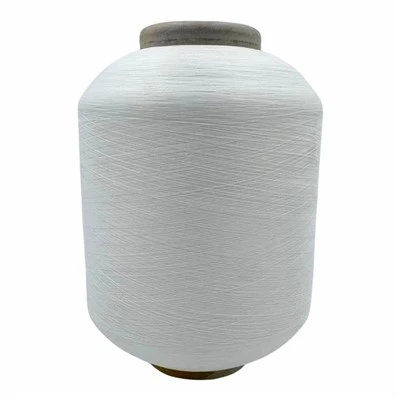
And for the curious folks out there: yeah, it’s more work than making virgin nylon, but the payoff is huge. We’re keeping nylon out of landfills, cutting down on oil use (virgin nylon uses a ton of non-renewable resources), and making a product that’s just as good as the stuff from new oil. That’s the nylon game we’re playing, and I’m proud to be in it.
Polyester Covered Yarn References:
- European Chemical Industry Council (Cefic). “Nylon Recycling: A Circular Economy Approach for Polyamides.” 2022.
- Textile Institute. “Sustainability in Textile Processing: Recycling of Nylon Fibers.” 2021.
- U.S. Environmental Protection Agency (EPA). “Textile Waste Management and Recycling.” 2023.
Zhuji Yuanhui Import & Export Co., Ltd.
Zhuji Yuanhui Import & Export Co., Ltd. is one of the most professional nylon yarn manufacturers and suppliers in China. With abundant experience, we warmly welcome you to buy high-end nylon yarn made in China here from our factory. If you have any enquiry about quotation and free sample, please feel free to email us.
Address: No.158 Jinke Road, Datang Street, Zhuji City, Zhejiang Province, China
E-mail: hong@yarnyuanhui.com
WebSite: https://www.yarnfty.com/
